Articles, Feature Articles
Life is slowly going back to normal, and the Philippines is rising again as we are starting to see encouraging signs of progress. While the whole country is not out of the woods yet, the collective Filipino effort is showing a positive impact on recovery not only on the economic aspects but also on the quality of life for everyone.
Some of us might appear more optimistic than others, and I was one of those who chose to see the positive side of things. We can all agree that, despite a decline of such an unprecedented scale, humanity will still have the resilience and find the strength to recover. That’s what makes us who we are.
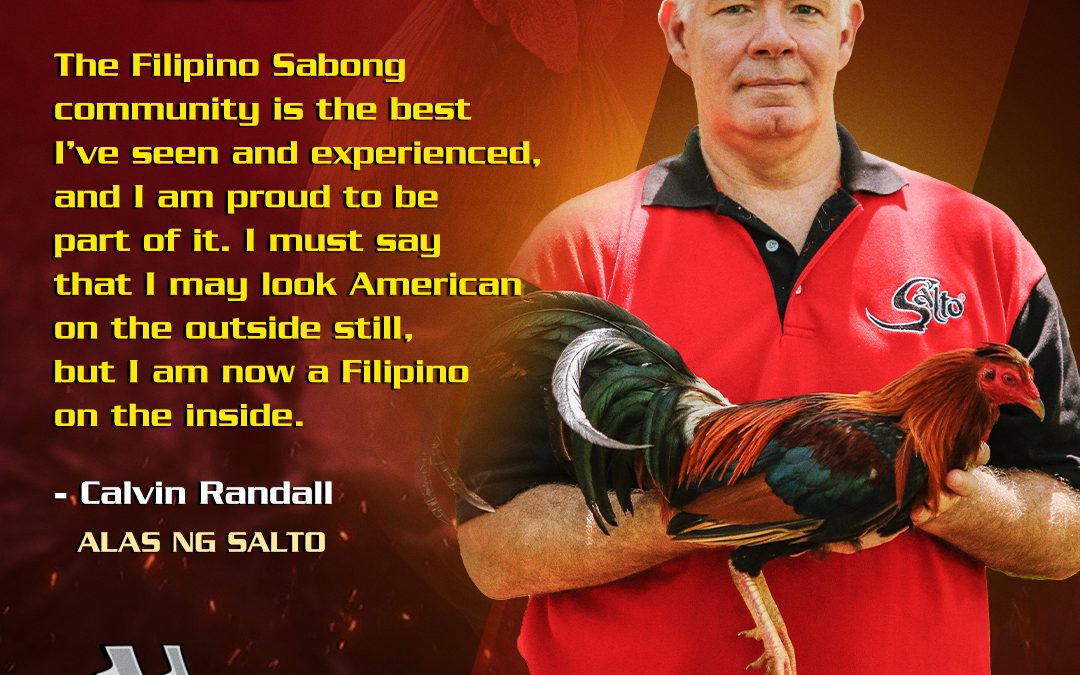
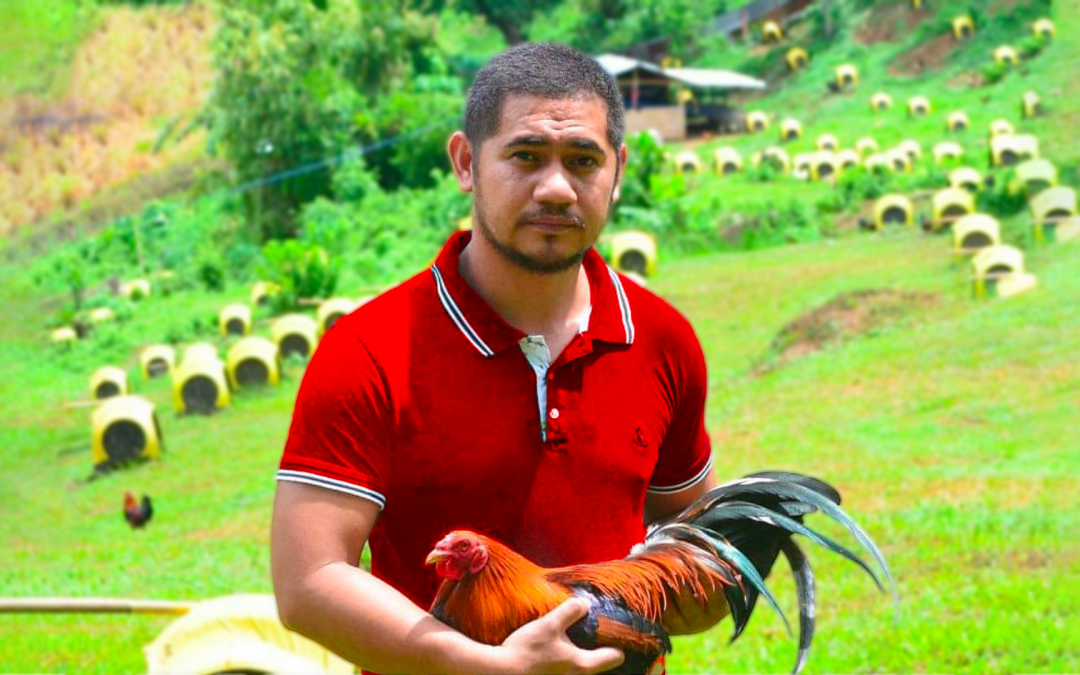
It may seem like a distant long ago, but I still clearly remember the day I landed in Manila. My heart was full of anticipation and positive thoughts for the future. I could have chosen another country to spend my retirement years in, but my heart chose the Philippines. The beauty of the Philippines is known worldwide, but even in its nooks and crannies, the country has many wonderful things to offer. Here I found my awesome Barkadas, built a family, and was allowed to live my dream– to run my very own farm and play Sabong as often as I could. The Filipino Sabong community is the best I’ve seen and experienced, and I am proud to be part of it. I learned more about the value of friendship and the importance of connecting with people; not only those who are your allies but even those who are your adversaries. I must say that I may look American on the outside still, but I am now a Filipino on the inside.
I often say I am a Sabungero through and through, not because I’m a gambler but because I am a breeder at heart. I hate to be called a braggart, but I believe I am good at my craft. It’s the personal touch that makes a lot of difference. What I love about Sabong is the friendship that comes with it. It’s the noise I hear when I enter the Arena, the excitement of the spectators, the pounding of the elevated heart rate that I feel while preparing my entries, the shaking of hands, the vendors selling peanuts and drinks, the friends celebrating with you in your victories and, the warm and friendly handshakes exchanged with your competitors. It’s the human interaction that I sorely miss. And today, I asked myself, what is the future of this sport that I love so much?
Will we ever go back to how we were before the COVID-19 pandemic wreaked havoc on our lives?
The truth is, our world could change in many ways beyond our imagination. The human condition has been dramatically altered due to the policies enacted for our protection. The safety measures have diminished our ability to connect in the physical sense, but they are not necessarily less meaningful.
Everyone is becoming more comfortable with virtual communication, and Sabong has been greatly affected by these changes. What is the future of our sport? The future is unknown, but we’ll cross the bridge when we get there.
What is the future of Sabong? Who will inherit the sport? Who will keep it alive? How will our generation work it out?
If what we witnessed in the past few years is even a slight indication of how strong and resilient the Filipino spirit is, then I am excited to enjoy the ride and watch this next chapter unfold.
If the strong Filipino spirit of rising through the ashes is alive, now that is something I’m willing to watch unravel.
Frequently Asked Questions
1. What is this article about?
This is a first-person reflective essay written from the perspective of Calvin Randall, an American-born gamefowl breeder who chose the Philippines as his home. Written in the wake of the COVID-19 pandemic’s disruption to traditional cockfighting, the piece reflects on what sabong means at a human and cultural level, what was lost during the pandemic-enforced suspension of in-person events, and what the future of the sport might look like as the country recovers.
2. Who is Calvin Randall and what is his connection to Philippine sabong?
Calvin Randall is a foreign-born breeder who relocated to the Philippines and built his life around the local gamefowl community. He describes himself as a sabungero — a cockfighting enthusiast — not primarily as a gambler but as a breeder by passion and identity. Over time he formed deep friendships within the community, built his own farm, and came to identify strongly with Filipino culture, describing himself as Filipino on the inside despite his American appearance.
3. What aspects of traditional sabong does the author say he misses most?
The author focuses entirely on the human and social dimension of the sport rather than the competition itself. He describes missing the noise and energy of the arena, the excitement of spectators, the handshakes exchanged with competitors, vendors in the crowd, friends celebrating victories together, and the physical presence of people sharing an experience. For him, it is the human interaction — the friction, fellowship, and ritual of in-person sabong — that the pandemic stripped away and cannot be replicated virtually.
4. How does the author view the impact of the pandemic on sabong?
The pandemic is portrayed as a force that fundamentally altered the human condition surrounding the sport. Safety measures required to protect public health diminished the physical connectivity that gives sabong its cultural meaning. The author acknowledges that virtual communication has grown more comfortable for everyone, but treats this shift as a change to navigate rather than a permanent replacement for what traditional, in-arena sabong provides to its community of breeders, bettors, and spectators.
5. What are the key takeaways from this piece?
Three ideas emerge as central. Sabong, for its most dedicated practitioners, is primarily about community and human connection rather than gambling or competition alone. The pandemic forced a reckoning with how deeply physical presence matters to a tradition built on face-to-face ritual. And the Filipino spirit of resilience — the author’s phrase is “rising through the ashes” — is held up as the foundation for confidence that the sport and its culture will survive, adapt, and endure through whatever form the future brings.
Articles, Feature Articles
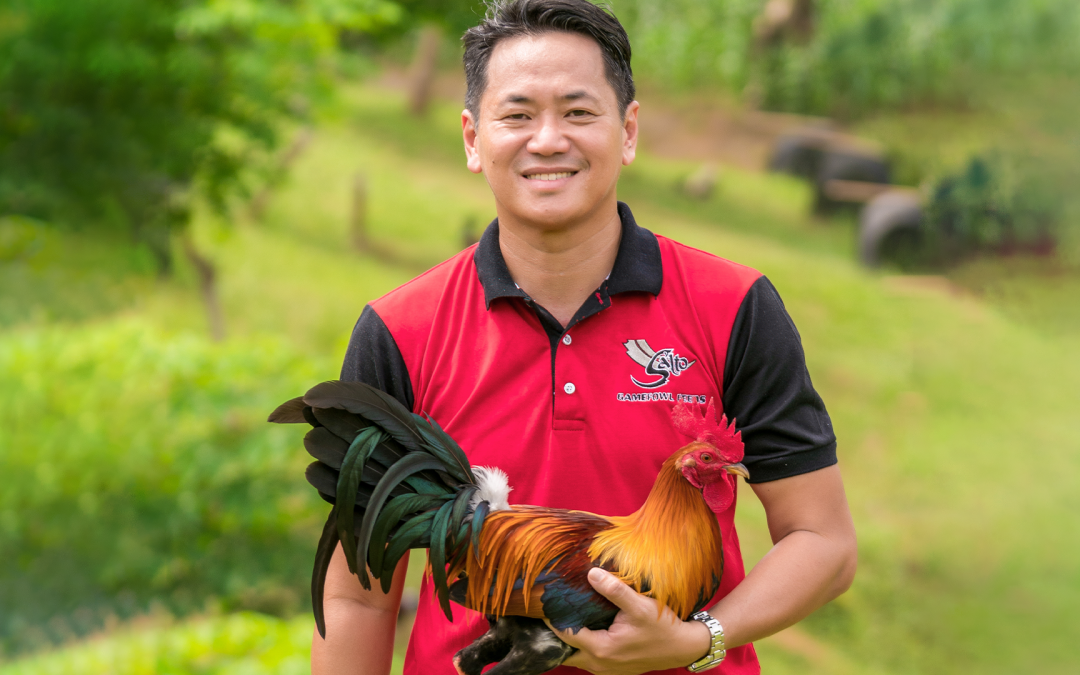
“Invest Wisely,” ito ang pangunahing prinsipyo ni Alas ng Salto Benzen “Moi” Llamado. Para sa kanya, napaka-importante para sa isang breeder at cocker na mag-invest sa magandang breeding materials, mainam na nutrisyon , at maayos na health management.
Si Moi Llamado ang may-ari ng BTL Gamefarm na matatagpuan sa probinsya ng Capiz, Iloilo, at Negros Occidental. Maganda ang lokasyon ng kanyang gamefarm. Nakatayo ito sa isang lugar na may maburol na lupain, maayos na water supply, at tamang distansya mula sa siyudad. Dito niya pinapalaki at inaalagaan ang kanyang mga signature bloodlines na McLean Hatch, Lemon, Boston Roundhead, at Sweater.
Disiplina at talino ang naging pundasyon ni Moi upang maging matagumpay sa industriya ng gamefowl breeding at conditioning. Hindi matatawaran ang kanyang husay na makikita naman sa kanyang sunod-sunod na mga parangal, tulad ng: 2009 CAGBA 5 Cock Champion, 2010 CAGBA Stag Champion, 2011 Marvin Aces 5 Cock Big Event Solo Champion, 2015 UGBAP 7 Bullstag Champion, 2019 UGBAP Breeder of the Year Runner up, at 2018 7 Cock Candelaria International Champion.
Smart Breeder
“Tinitingnan ko ang consistency ng lineage,” ang sabi ni Moi tungkol sa pagpili ng materyales. “Dapat may cutting power. Tinitingnan ko ang body conformation at station.” Ayon sa kanya, mas gusto niya ang mga gamefowls na medium-high station dahil mas mataas ang accuracy nito at mas maganda ang recoil ng palo.
Para kay Moi, mas mainam na magsimula ng tama lalo na sa pagpili ng breeding materials upang hindi masayang ang gugugulin na panahon, pera, at pagod. Ang payo niya lalo na sa mga baguhang mga breeder ay huwag manghinayang sa pagpili ng magandang bloodline. Siguraduhin na matapat at may magandang record ang panggagalingan. Dahil dito, malaking bagay para kay Moi ang magandang relationship sa mga breeders na kinukuhanan ng kanyang mga materyales dahil nakaka-sigurado siya sa lineage at pedigree ng mga broodstocks niya.
“I practice inbreeding, at kapag deeply inbred na sila, then I go to line breeding.” Payo ni Moi, kailangan mag-selective breeding upang mapanatili ang fighting style ng mga panlabang manok.
Pero hindi natatapos sa breeding ang pagbuo ng champion na panabong. Para kay Moi, dapat sundin ng mga gamefowl breeders ang basic foundation upang makuha ang full potential ng mga manok. Importante ang malinis na kapaligiran, 100% Salto high-quality feeds, at vaccination programs.
Prevention is better than cure, ika nga niya. Importante din na mag-invest sa mga tao na tumutulong sa farm upang lalo nilang pagbutihin ang pag-aalaga sa iyong mga manok. Para sa ating Alas ng Salto, upang maging mas magaling na breeder, dapat din na maging up-to-date sa mga bagong developments at inventions sa industriya.
Salto Support
Nagsimula si Moi sa paggamit ng Salto Feeds nang ma-introduce ito sa kanya ng isang Salto Gamefowl Specialist. “It was breeding season when I tried Gallimax 21. Better siya compared sa dating produkto na ginagamit ko. It is very impressive. Yung fertility at egg production ng mga manok ko is very good. At pag marami nang na-produce, I use naman the Salto Chick Booster, then Gallimax 2 and 2+ and then lately pag-conditioning na, I shift to Salto Conditioner. ”
“Pero bottom line, it’s the support of the Salto Team. Yun ang nakapag-convince sa akin,” sabi ni Moi. “Nagustuhan ko talaga ang regular na support ng Salto team. Yung ibang feed companies, hindi ko sila laging nakikita. Kapag nakuha ka nila, wala na. Pero yung service ng Salto, iba talaga. They are just one call away. They give me support on vaccination at health programs at sa magandang feeding combinations.”
“Sa Salto, maganda ang culture nila on how they treat their clients. I am happy here so I treat Salto as a family,” sabi ni Alas ng Salto Benzen “Moi” Llamado.
Frequently Asked Questions
Frequently Asked Questions
1. What is this article about?
This is a breeder profile and success story featuring Benzen “Moi” Llamado, owner of BTL Gamefarm with operations across Capiz, Iloilo, and Negros Occidental. The article covers his core breeding philosophy, selection criteria, farm management approach, championship wins spanning more than a decade, and his experience transitioning to and staying with a particular gamefowl feed brand — framed through his own words in a combination of Filipino and English throughout the piece.
2. What is Moi Llamado’s core breeding philosophy?
His guiding principle is to “invest wisely” — a belief that shortcuts in selecting breeding materials, nutrition, and health management lead to wasted time, money, and effort down the line. He advises breeders, especially beginners, never to be stingy when choosing quality bloodlines. He stresses sourcing only from reliable breeders with verified records and pedigrees, and emphasizes that building strong, trustworthy relationships with bloodline suppliers is foundational to long-term breeding success.
3. What selection criteria does he apply when choosing breeding materials?
His selection process focuses on consistency within a lineage as the primary filter — he wants birds that reliably pass on their traits across generations. From there he evaluates cutting power, body conformation, and station height, preferring medium-high station birds for their accuracy and recoil quality in combat. He practices inbreeding first to fix desirable traits, then transitions to line breeding once birds are deeply inbred, using selective breeding throughout to preserve the fighting style of his bloodlines.
4. What championship titles has Moi Llamado won?
His confirmed titles span from 2009 to 2019 and include: 2009 CAGBA 5 Cock Champion, 2010 CAGBA Stag Champion, 2011 Marvin Aces 5 Cock Big Event Solo Champion, 2015 UGBAP 7 Bullstag Champion, 2018 7 Cock Candelaria International Champion, and 2019 UGBAP Breeder of the Year Runner-up. These wins across multiple formats — stag, bullstag, cock, and breeder recognition — confirm his standing as one of the most consistently competitive breeders in the Philippine gamefowl industry.
5. What are the key takeaways from Moi Llamado’s success story?
Three lessons emerge clearly. Disciplined investment in quality breeding materials, clean environments, proper nutrition, and vaccination programs is non-negotiable for reaching a gamefowl’s full potential. Selective and strategic breeding — using inbreeding to fix traits before transitioning to line breeding — is the technical foundation of consistent champion production. And ongoing support from feed and nutrition partners matters as much as product quality: reliable after-sale service, health program guidance, and consistent communication are what earn and keep a serious breeder’s long-term loyalty.
Frequently Asked Questions
1. Sino si Benzen “Moi” Llamado at ano ang kanyang tagumpay?
Si Moi Llamado ay ang may-ari ng BTL Gamefarm sa Capiz, Iloilo, at Negros Occidental – isang award-winning gamefowl breeder na kilala sa kanyang sunod-sunod na tagumpay sa malalaking patimpalak. Kabilang sa kanyang mga parangal ang 2009 CAGBA 5 Cock Champion, 2010 CAGBA Stag Champion, 2015 UGBAP 7 Bullstag Champion, at 2018 7 Cock Candelaria International Champion, sa iba pa.
2. Ano ang pangunahing prinsipyo ni Moi Llamado pagdating sa gamefowl breeding?
Ang kanyang pangunahing prinsipyo ay ang “Invest Wisely” – ang mag-invest sa magandang breeding materials, mainam na nutrisyon, at maayos na health management. Para sa kanya, mas mainam na magsimula ng tama lalo na sa pagpili ng breeding materials para hindi masayang ang guguguling panahon, pera, at pagod. Inirerekomenda niya sa mga baguhang breeder na huwag manghinayang pumili ng magandang bloodline.
3. Ano ang hinahanap ni Moi sa pagpili ng kanyang mga gamefowl?
Tinitingnan niya ang consistency ng lineage, cutting power, body conformation, at station ng mga manok. Mas gusto niya ang mga gamefowl na medium-high station dahil mas mataas ang accuracy at mas maganda ang recoil ng palo. Mahalaga rin sa kanya ang matapat na relasyon sa mga kinukuhanan ng breeding materials para matiyak ang kalidad ng lineage at pedigree.
4. Anong kahalagahan ang ibinibigay ni Moi sa kalusugan at nutrisyon ng kanyang mga manok?
Para kay Moi, ang tamang pag-aalaga ay nagsisimula sa tatlong pundasyon: malinis na kapaligiran, mataas na kalidad na feeds, at vaccination programs. Naniniwala siya na ang prevention is better than cure, kaya mahalaga ang maayos na health management. Kinikilala niya rin ang kahalagahan ng tamang nutrisyon sa pagpapalabas ng full genetic potential ng kanyang mga alaga.
5. Ano ang nagpasya kay Moi na magtiwala sa kanyang mga kasalukuyang feeds?
Ang tuwirang suporta ng Salto team ang naging malaking salik sa kanyang pagpili. Hindi siya kuntento sa mga feed companies na nawawala pagkatapos mong maging customer nila. Para sa kanya, ang maaasahang serbisyo at konsultasyon sa vaccination at health programs ay kasing halaga ng kalidad ng feeds mismo. Nakita niya ang pagkakaiba sa fertility, egg production, at pangkalahatang kondisyon ng kanyang mga manok mula nang lumipat siya.
Articles, Feature Articles
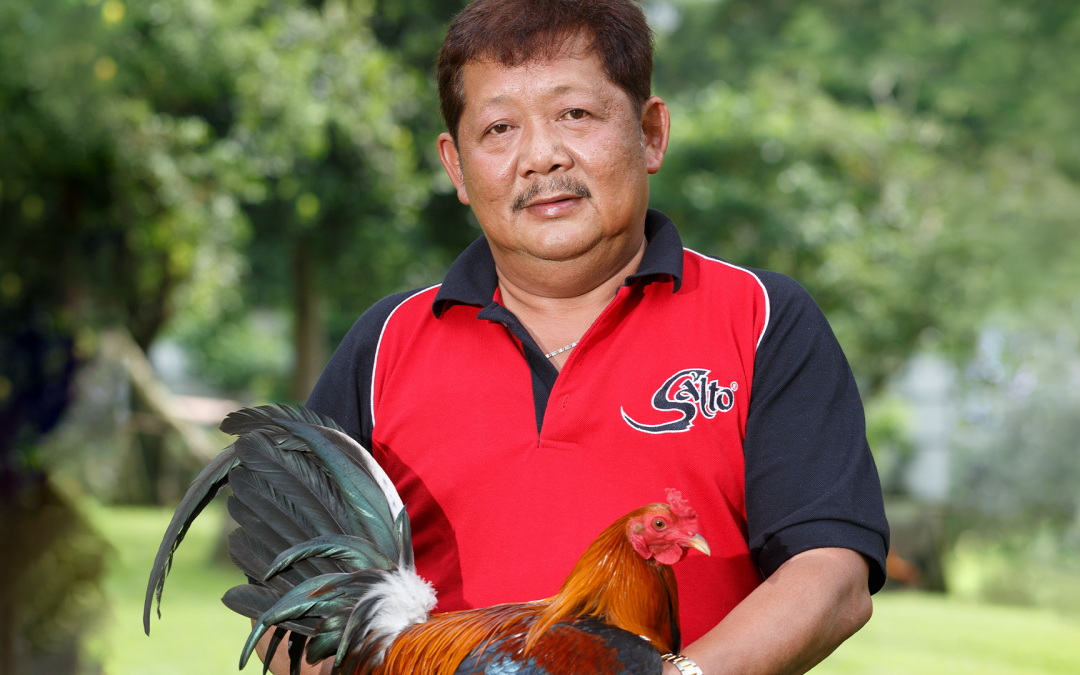
Experience is the best teacher, ika nga nila. Ang mga karanasan mula sa maraming taon ng pagsasabong ang naging dahilan upang lalong mag-improve ang kakayahan, decision-making, at abilidad ng Alas ng Salto na si Boy Gamilla. Ito ang nagdala sa kanya sa tugatog ng tagumpay sa larangan ng gamefowl breeding at fighting.
Si Jaime “Boy” Gamilla ang may ari ng BMJ Gamefarm sa Bulacan, Cavite, Antipolo, at Bacolod. Pangarap ng madaming gamefowl breeders na marating ang naabot niya. Ang sunod-sunod na panalo ni Boy sa malalaking patimpalak ang nagpapatunay sa lawak ng kanyang kakayahan: 2008 Bakbakan Solo Runner Up, 2011 RGBA Star Fighter of the Year, 2013 Digmaan Runner Up, 2013 Bakbakan Champion, 2017 BNTV Champion. Maikukumpara si Boy sa isang beteranong heneral na alam ang bawat epektibong strategy upang makamit ang tagumpay sa mahihirap at malalaking labanan.
Mahalaga ang bloodlines para kay Boy kaya naman ito ang pinaka-una niyang pinagtutuunan ng pansin, bago ang lahat. Sa pagpili ng broodstags at broodpullets, kinukuha niya ang may balance, 45 degrees ang buntot, sakto ang haba ng binti at hita. Sa BMJ gamefarm, ang kanyang mga bloodlines ay binubuo ng 5k, Goldenboy, Gary Gilliam Roundhead, Gilmore Hatch, BMJ Black, at BMJ Dom.
Ang manok na maganda ang balikat, maliit ang baywang, maganda ang mata, at hindi lubog ang pisngi and karaniwang hinahanap ni Boy. Mas pinipili niya ang stags na above-average ang height at malaki ang buto, heavy-boned o brusko. “Para sa pullet, basta maganda at alam ko ang linyada ay doon ako. Kailangan yung parang pang-Miss Universe,” sabi ni Boy. Sa BMJ Gamefarm, pag harvest pa lamang ay mayroon nang selection at marking upang maging mas madali ang traceability.
Para naman sa fighting style, kinakailangan ng manok na listo at focused, “Kailangan nasa ibabaw. Kailangang mautak sila. At importanteng malakas ang palo para mas nakaka-penetrate ang tari. Kaya importante na may power.”
Kasama ng top of the line breeding at selection ang tamang nutrisyon mula sa high-quality feeds upang makamit ang superior performance ng ating mga panlabang manok. Ang Salto feeds ay tumutulong upang lalong ma-enhance ang genetic potential ng mga bloodlines ni Boy Gamilla.
Nagsimula sa paggamit ng Salto Feeds si Boy nang may bumisita sa kanya na Salto Gamefowl Specialist at ipinasubok ito sa kanyang mga alaga. “Sinubukan ko sa isang batch ko at ikinumpara ko sa other brand, at maganda ang resulta ng Salto. Nakita ko na hindi buhaghag ang balahibo ng mga sisiw ko. Naging tight-feathered at matipuno sila kahit sisiw pa lang. Pagdating naman sa breeding ay ginagamit ko ang Gallimax 21. Napatunayan ko na effective siya kasi kahit yung 8 years old ko na hen ay napa-itlog ko at nagkaroon pa ako ng production.”
At dahil epektibo ay nag nagtuloy-tuloy na si Boy sa paggamit ng Salto Feeds. “The following year ay gumamit na ako ng Salto Feeds. From Day 1 to 30 ay gumagamit ako ng Salto Chick Booster. Sa 2nd up to 4th month ay Salto Baby Stag Developer. After ng 4th month ay Stag Developer naman. At kapag nasa cord na sila, ginagamit ko ang Salto Powermix. Nakita ko na talagang hindi sila nag-aaccumulate ng fats, at talagang matipuno yung mga manok ko,” sabi ni Alas ng Salto Boy Gamilla.
Bilang isang multi-champion sa big derbies, payo ni Alas ng Salto Boy Gamilla sa mga aspiring breeders at cockers. “Aspiring means yung mga breeders na may pangarap na maging magaling ang mga alaga nila. Kailangang mag-umpisa ng tama. Huwag manghinayang na pumili ng tamang breeding materials. I-assess natin ang mga for breeding at panlaban natin.”
Solid experience, good management, at excellent feeds – ito ang mga bagay na naging dahilan upang maging matagumpay si Alas ng Salto Boy Gamilla sa industriya ng gamefowl breeding at fighting.
Frequently Asked Questions
What is this article about?
This is a breeder profile of Jaime “Boy” Gamilla, owner of BMJ Gamefarm with operations in Bulacan, Cavite, Antipolo, and Bacolod. Written in Filipino with sections in English, the article covers his championship track record across major Philippine derbies, his detailed selection criteria for broodstags and broodpullets, his preferred fighting style and bloodlines, his approach to farm management, and how he progressively adopted a structured gamefowl feed program across every stage of development.
What championship titles has Boy Gamilla won?
His confirmed competition wins span from 2008 to 2017 and include: 2008 Bakbakan Solo Runner-Up, 2011 RGBA Star Fighter of the Year, 2013 Digmaan Runner-Up, 2013 Bakbakan Champion, and 2017 BNTV Champion. These titles across stag, solo, and multi-cock formats at major Philippine derbies over nearly a decade establish him as one of the country’s most consistently competitive multi-champion breeders and cockers in the professional gamefowl circuit.
What are his selection criteria for breeding stock?
For broodstags, he looks for balance, a 45-degree tail angle, correct leg and thigh length, well-shaped shoulders, a small waist, bright eyes, and non-sunken cheeks. He prefers above-average height with heavy, strong bones. For broodpullets, he prioritizes lineage integrity above all else and uses the standard of beauty and confirmed pedigree — comparing the ideal pullet to a Miss Universe standard of form. Selection and marking at BMJ Gamefarm begin at the harvest stage to ensure full traceability throughout development.
What fighting style does Boy Gamilla breed and value in his gamefowl?
His fighting philosophy centers on birds that are alert, focused, and mentally sharp — he wants gamefowl that think in combat, not just fight on instinct. Power of strike is equally critical, as penetrating force through the gaff is what determines outcome. His birds should always fight from above, maintaining a positional advantage. The bloodlines he works with — 5k, Goldenboy, Gary Gilliam Roundhead, Gilmore Hatch, BMJ Black, and BMJ Dom — are cultivated to express these traits consistently.
What are the key takeaways from Boy Gamilla’s success story?
Three principles define his formula: starting right by refusing to compromise on breeding material quality; following a structured, stage-by-stage nutrition program from day-old chicks through conditioning; and combining experience-driven decision-making with modern farm management practices including early selection, marking, and traceability at harvest. His summary captures it cleanly — solid experience, good management, and excellent feeds are the three pillars behind his sustained championship record across more than a decade of high-stakes competition.
Frequently Asked Questions
Sino si Jaime “Boy” Gamilla at ano ang kanyang mga nagawa?
Si Boy Gamilla ay ang may-ari ng BMJ Gamefarm sa Bulacan, Cavite, Antipolo, at Bacolod – isang multi-champion na gamefowl breeder at cocker. Kabilang sa kanyang mga parangal ang 2008 Bakbakan Solo Runner Up, 2011 RGBA Star Fighter of the Year, 2013 Bakbakan Champion, at 2017 BNTV Champion, na nagpapatunay ng kanyang kahusayan sa loob ng mahabang panahon sa industriya.
Ano ang pinaka-mahalaga para kay Boy Gamilla sa pagpili ng breeding materials?
Ang bloodlines ang una niyang pinagtutuunan ng pansin bago lahat. Sa pagpili ng broodstags at broodpullets, hinahanap niya ang tamang balance ng katawan, 45 degrees na anggulo ng buntot, sakto ang haba ng binti at hita. Gusto niya ang mga manok na maganda ang balikat, maliit ang baywang, maganda ang mata, at hindi lubog ang pisngi. Para sa mga panlaban, kailangan nilang may timing, cutting power, at lakas ng palo.
Ano ang fighting style na hinahanap ni Boy sa kanyang mga manok?
Para kay Boy, kailangan ng manok na listo at focused sa laban – dapat nasa itaas palagi at kailangang mautak. Naniniwala siya na mahalaga ang lakas ng palo para mas nakaka-penetrate ang tari, kaya importante ang power. Ito ang fighting style na kanyang tinutuon sa kanyang mga piling bloodlines: 5k, Goldenboy, Gary Gilliam Roundhead, Gilmore Hatch, BMJ Black, at BMJ Dom.
Paano nagbago ang kondisyon ng mga manok ni Boy nang magsimula siyang gumamit ng mas mataas na kalidad na feeds?
Napansin niya agad ang pagbabago sa itsura at kondisyon ng kanyang mga sisiw – hindi buhaghag ang balahibo, kundi tight-feathered at matipuno kahit sisiw pa lamang. Sa breeding naman, kahit ang kanyang 8-taong gulang na hen ay nagkaroon ng magandang egg production. Sa stag phase, napansin niya na hindi nag-aaccumulate ng fats ang kanyang mga manok at talagang matipuno ang mga ito.
Ano ang payo ni Boy sa mga aspiring gamefowl breeders?
Ang kanyang payo ay ang magsimula ng tama at huwag manghinayang pumili ng tamang breeding materials. Importante ang mag-assess ng mga manok para sa breeding at para sa pagsabong. Ang solid na karanasan, magandang pamamahala ng farm, at de-kalidad na feeds ang tatlong bagay na kanyang itinuturing na pundasyon ng tagumpay sa industriya ng gamefowl breeding at fighting.
Articles, Feature Articles
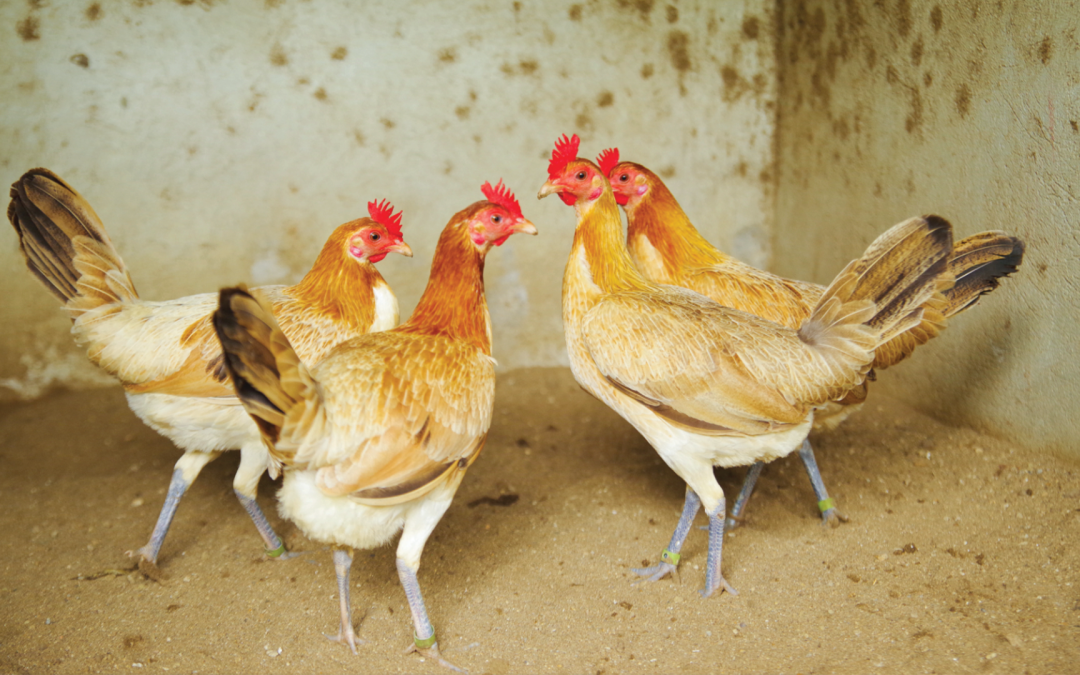
Proper pullet management is vital for the long-term success of your gamefowl breeding business because it is directly related to the quality of eggs produced. The pullet develops reserves in its body for future laying during its developmental stage; thus, good management during this time determines optimal egg and chick production.
Growth Stage
Pullet preparation starts at day one by ensuring that the chicks have ready access to high-quality feeds and water, promoting early growth and development. Reducing stress during the first month of the chick’s life positively impacts feed digestion and nutrient absorption. Early feeding enhances small intestine development. A sufficient quantity of feeders and waterers ensures flock uniformity, and adequate living space promotes social development, decreases pecking, and increases the comfort and performance of the pullets.
Ideal breeding for pullets starts at 8 months old. But, as a breeder, it is still essential to monitor your broodstock’s developmental phases. Week 6 to 12 is the period of rapid growth where the pullet builds her structural organs like feathers, bones, and muscles. Growth begins to slow down at Weeks 12 to 18, while the reproductive tract matures in preparation for egg production. At this stage, muscles and fat continue to develop as it reaches sexual maturity.
Routine visual check is necessary because weight and body composition determine the sexual maturity of a pullet rather than specific calendar age. The ideal weight at Week 12 is 800 to 900 grams per bird. The optimal body weight of the pullet depends on the breed but it mostly ranges from 1.35 to 1.65 kgs at the start of egg production. By providing the right feeds and environment during the growing stage, breeders can reach a minimum of 85% uniformity of pullets before point of lay at 18 weeks.
Best Feeds
Gallimax 21 Chicken Pre-Lay is designed to prime the pullets’ fleshing and reproductive development for optimum egg size, reproductive longevity, and better chick quality. With optimum levels of selenium yeast, inactive yeast, balanced proteins, and organic minerals, it boosts the pullet’s fertility and ensures uncompromised egg size and ideal hatchability.
Gallimax 21 Chicken Pre-Lay is ideal for pullets with an age range of 4 to 8 months. It also has a calcium level of 1.5% to 2.20%, which helps prepare the pullet’s reproductive tract for breeding.
Once the eggs hatch, it is essential to provide the correct temperature, lighting, and humidity during the chick’s brooding stage to minimize mortality. They still cannot regulate their body temperature; thus, their environment must be monitored and adjusted. The chicks should have access to clean water and high-quality feeds in the first 48 hours.
Salto Baby Stag Developer contains the ideal amount of VITAMIN B-COMPLEX to combat the stress of the transition from brooding to ranging. It also contains a coccidia inhibitor to protect the chicks from coccidiosis during ranging. Additionally, Salto Baby Stag Developer has ImmunoDigest properties to ensure a healthier gut for full absorption of essential nutrients and a more robust immune system for protection against diseases.
For gamefowl breeders, knowing the stages of development of pullets and stags will help identify the proper management practices for implementation. Salto’s Gamefowl Specialists, with their hands-on experience and extensive technical knowledge, are always ready to support the breeders in ensuring they are in the right direction.
Frequently Asked Questions
At what age should pullets be prepared for breeding, and what developmental milestones should breeders watch for?
Ideal breeding for pullets starts at 8 months old. However, breeders should monitor key growth phases: weeks 6–12 involve rapid structural development (feathers, bones, muscles), while weeks 12–18 see slowing growth as the reproductive tract matures. Body weight is a more reliable indicator of sexual maturity than calendar age, with optimal pre-lay weight ranging from 1.35 to 1.65 kg depending on the breed.
Why is flock uniformity important during the pullet growing stage, and how is it achieved?
Flock uniformity ensures that pullets reach point of lay at roughly the same time, maximizing production efficiency. It is achieved by providing adequate feeders, waterers, and living space from day one. Sufficient space reduces pecking and stress, supporting consistent feed intake and development. Proper early-stage management can help breeders achieve a minimum of 85% flock uniformity by 18 weeks.
What makes Gallimax 21 Chicken Pre-Lay the recommended feed for pullets approaching the breeding stage?
Gallimax 21 Chicken Pre-Lay is specially formulated to support fleshing and reproductive development in pullets aged 4 to 8 months. It contains selenium yeast, inactive yeast, balanced proteins, and organic minerals that enhance fertility, egg size, and hatchability. Its calcium content of 1.5% to 2.20% helps condition the pullet’s reproductive tract, making it the go-to feed for breeders aiming for consistent, high-quality egg production.
How does Salto Baby Stag Developer protect newly hatched chicks during the brooding-to-ranging transition?
Salto Baby Stag Developer addresses the stress chicks experience when moving from brooding to ranging. It is fortified with Vitamin B-Complex to combat transition stress, a coccidia inhibitor to guard against coccidiosis during ranging, and ImmunoDigest properties that promote gut health, enhance nutrient absorption, and strengthen the immune system — helping young birds survive and thrive during one of their most vulnerable developmental phases.
What environmental and nutritional conditions are critical for newly hatched chicks in their first 48 hours?
Newly hatched chicks cannot regulate their own body temperature, making controlled brooding conditions essential. Breeders must maintain proper temperature, lighting, and humidity levels to minimize early mortality. Within the first 48 hours, chicks must have uninterrupted access to clean water and high-quality feeds. These early conditions directly influence gut development, nutrient absorption, and long-term growth performance throughout the bird’s life.
References:
Salto Products. Retrieved September 27, 2021 from https://www.salto.com.ph/products/
Pullet Scheduling and Management. September 17, 2020. Salto Usapang Pagmamanok. Retrieved September 27, 2021 from https://www.salto.com.ph/pullet-scheduling-management/
Good Management Practices of Pullets Rearing in Commercial Layer Farms. July 24, 2019. Retrieved September 28, 20201 from https://www.pashudhanpraharee.com/good-management-practices-of-pullets-rearing-in-commercial-layer-farms/
Perfecting Pullet Management. March 11, 2019. Fertrell Blog. Retrieved September 27, 2021 from https://www.fertrell.com/blog/perfecting-pullet-management
Importance of Pullet Feeding Programs in Ensuring a Profitable Laying Flock. January 1, 2008. The Poultry Site. Retrieved September 27, 2021 from https://www.thepoultrysite.com/articles/importance-of-pullet-feeding-programs-in-ensuring-a-profitable-laying-flock
Articles, Feature Articles
The performance of a rooster on the fighting pit depends significantly on its genetic build passed on from the qualities of its parents, which is achieved through breeding. The main objective of breeding is to improve the next generation of gamefowls in terms of gameness, endurance, cutting ability, speed, power, and stamina. Modern breeders improve the bloodlines of great families of gamefowl through a basic understanding of genetics.
Crossbreeding for Superior Gamefowl
Crossbreeding is an effective method in producing superior gamefowls. It is the mating of two different breeds of gamefowls whose main objective is to identify new combinations of characters or genetic potential that will lead to the formation of a new and better breed. One example is the combination of unrelated strains like a Hatch and a Sweater.
Many of the most successful battle crosses are produced through crossbreeding of inbred family of fowls. The combination of these superior gamefowl through crossbreeding took full advantage of heterosis or hybrid vigor—a phenomenon observed in plants and animals where the first generation of hybrids exhibit characteristics superior to their parents. The gamefowls that benefited from this are faster, smarter, and stronger than their parents.
Variations of Crossbreeding
Here are the three variations of crossbreeding:
- Straight Cross is when two strains are mated—for example, breeding a Ruble Hatch and a Black Traveler to take advantage of their power and speed blend.
- A Three-Way Cross, for example, is the matching of an even cross with good power and cutting ability like a Hatch–Claret with a Kelso who has a superior wallop and is a power-hitter.
- A Four-Way Cross matches two straight crosses like the mating of a Hatch-Claret to a Kelso-Roundhead.
Crossbreeding improves the overall health of the flock through genetic diversity as introducing a new breed can solve the challenge of lack of breeding improvement of the flock.
When starting, it is best to source a specimen from a breeder with good history and reputation who maintains a closely inbred strain. Through observation in the fighting pit, the breeder can learn the weaknesses and strengths of his fowl in terms of fighting style, speed, and cutting ability. Make the cross if the broodstock is free from defects, has strong disease resistance, and has the desired body conformation, temperament, and performance.
Maximizing Genetic Potential Through Nutrition
While genetics play a crucial role, the potential of gamefowl can only be fully realized with the right environment and proper growing management. Breeder and Alas ng Salto Dr. Marlo Lasutaz emphasized that the characteristics of the parents will be expressed better if the fowls received high-quality feeds and nutrition.
Gallimax 21 Chicken Breeder Ration optimizes egg production, fortified with Selenium, Vitamin E, and Liver Protech for better liver health, stress and disease resistance and results in stronger power and stamina.
Engr. Arturo Bona praises Salto Stag Developer, which is specially formulated for the development of bones and muscles that helps his gamefowl achieve the ideal body frame.
“Tama ang timplada ng feeds at ang nutrition na naibibigay ng Salto. Nakita ko na maganda resistance ng mga manok ko. Mula noon ay iniwan ko na ang dati kong produkto at ipinagpatuloy ko na ang Salto.” LSBBA 2019 Breeder of the Year and Alas ng Salto Engr. Arturo Bona stated.
Frequently Asked Questions
1. What is crossbreeding and why is it used in gamefowl breeding?
Crossbreeding is the mating of two different gamefowl breeds to identify new combinations of traits that produce a superior bird. Its primary goal is to improve the next generation in terms of gameness, speed, cutting ability, power, and stamina. By combining unrelated strains — such as a Hatch and a Sweater — breeders can unlock genetic potential that neither parent possesses alone, resulting in offspring that outperform their parents in the fighting pit.
2. What is hybrid vigor and how does it benefit crossbred gamefowl?
Hybrid vigor, or heterosis, is a biological phenomenon where the first-generation offspring of two distinct breeds display characteristics superior to either parent. In gamefowl, this means crossbred birds tend to be faster, smarter, and stronger. Many of the most successful battle crosses exploit this advantage by combining inbred family lines, maximizing the complementary strengths of each bloodline to produce a more competitive and resilient bird.
3. What are the three main variations of crossbreeding used in gamefowl?
There are three crossbreeding methods used in gamefowl. A Straight Cross pairs two strains directly, such as a Ruble Hatch and a Black Traveler for a blend of power and speed. A Three-Way Cross matches an existing even cross — like a Hatch-Claret — with a third strain such as a Kelso. A Four-Way Cross combines two straight crosses, for example mating a Hatch-Claret with a Kelso-Roundhead for maximum genetic diversity.
4. What should breeders evaluate before making a cross?
Before executing a cross, breeders should source broodstock from reputable breeders who maintain closely inbred strains with documented history. The selected birds should be free from physical defects, demonstrate strong disease resistance, and have the desired body conformation, temperament, and fighting performance. Observing the fowl’s behavior and results in the pit helps breeders understand each bird’s strengths and weaknesses before deciding which cross to make.
5. How does nutrition support the expression of crossbred genetic traits?
Genetics alone do not guarantee superior performance — proper nutrition is equally critical for traits to be fully expressed. High-quality feeds like Gallimax 21 Chicken Breeder Ration support egg production and stress resistance through Selenium and Vitamin E, while Salto Stag Developer promotes optimal bone and muscle development in growing birds. Without the right nutritional foundation, even the best genetic combinations may fail to reach their full physical potential.
References:
- Crossbreeding: Advantages and Disadvantages. August 10, 2020. Breeders Academy. Retrieved August 29, 2021 from the Breeders Academy website.
- Basic Breeding for Gamefowl: Inbreed to Fix Traits, Cross Breed to Add Traits. February 10, 2014. Reach Unlimited. Retrieved August 29, 2021 from the Reach Unlimited website.
- The Gamecock – Basic Breeding Concepts and Considerations. March 22, 2013. Gamecock Care. Retrieved August 29, 2021 from the Gamecock Care website.
Articles, Feature Articles
Paano maging isang champion?
Hindi maitatanggi na malaki ang naging epekto ng COVD-19 sa industriya ng sabong. Pero sa kabila nito ay hindi umurong sa hamon ng pandemya ang young legend sa larangan ng breeding at cockfighting na si Ericson Laurente—proud Alas ng Salto at ang owner ng Tipolopoint ADA Gamefarm sa Norzagaray, Bulacan.
“Mayroong demand. Gusto ko na kahit ganito ang panahon ay itaas pa din ang level ng sabong sa top competition. Kaya kailangang mag-breed pa din ng marami.”
SHARP BREEDER
Apat ang main bloodlines ni Eric sa kanyang farm: Hatchet, Lemon, Harold Brown Grey, at Perfection Roundhead. Timing at extension ng paa ang gusto niyang characteristics ng isang broodstag. “Ang hinahanap ko sa manok ay yung may angat. Ayoko yung pumapasok ng alanganin. Gusto ko sa manok ay may timing and at the same time may cutting.”
Hands-on at focused si Eric sa breeding at paggawa ng signature lines. Kilala niya at alam niya ang strength ng kanyang mga linyada. Gusto niya ang mga breeds na may good gameness, frontal pumalo, matalino at may power. Ang advice ni Eric sa mga baguhang magmamanok ay kumuha ng mga materyales sa mga honest breeders na nananalo sa mga big events.
“Kapag nag-select kami ng panlaban, especially sa stags, ang una kong tinitingnan ay yung masculinity, yung pagiging barako niya, yung tindig at lakad. Yung may magagandang markings, may magandang buto at may magandang sukat—yun ang mga pinipili natin.”
THE CHAMPION
Sa resulta makikita ang galing ng isang breeder, at ang credentials ng Alas ng Salto na si Ericson ay nagpapatunay sa kanyang talino at dedikasyon sa larangan ng cockfighting.
Hindi matatawaran ang kanyang solid achievements: 8 Points BNTV Grand Finalist, 5-Cock Derby ng Masa Champion, 6-Cock SMC Champion, 2019 5-Stag Big Event Champion, at 2020 Solo Champion 7-Stag Main Event.
“Very big factor ang nutrition. Before, way back, noong ibang feeds pa ang gamit ko, kahit same bloodlines ay hindi sila nakaka-score ng ganito kataas na winning percentage. Combination of good feeds, good nutrition, good bloodline—kaya last year ay around 80% ang winnings namin simula early bird hanggang national.” Ayon kay Eric, ito ang patunay sa napakagandang epekto ng Salto products sa pagpapalabas ng best at full genetic potential ng kanyang mga alaga.
“Once na healthy ang manok natin ay ang dali nilang ihanda, ang dali nilang i-point. Kahit sa stress ay kayang-kaya nilang dalhin.”
At ngayon ay maidadagdag na din sa listahan ng greatest accomplishments ni Eric ang pagiging champion sa prestigious na 2020 WPC 10 Stag Derby. First time in history na may around 11,000 entries ang kompetisyon na ito, pero sa kabila ng mahihirap na labanan versus magagaling na fighters ay ang Alas ng Salto pa din ang nanguna.
Aniya, naging consistent ang score nila at naging champion sa mga labanan dahil sa Salto Feeds, “Sobrang tuwa namin na naging Salto Family kami.”
Frequently Asked Questions
1. Who is Ericson Laurente and what is his background in gamefowl breeding?
Ericson Laurente is a champion breeder and cockfighter from Norzagaray, Bulacan, and owner of Tipolopoint ADA Gamefarm. Recognized as an Alas ng Salto, he built his reputation as a hands-on, focused breeder who works with four main bloodlines: Hatchet, Lemon, Harold Brown Grey, and Perfection Roundhead. Despite the challenges brought by the COVID-19 pandemic, he continued breeding at scale to maintain his presence in top-level competition.
2. What physical traits does Ericson Laurente prioritize when selecting gamefowl for competition?
When selecting stags for competition, Ericson looks for masculinity, confident posture, and strong movement. He prioritizes birds with good markings, solid bone structure, and proper proportions. In terms of fighting traits, he values timing, cutting ability, frontal striking power, gameness, and intelligence. He avoids birds that show hesitation or inconsistency in the pit, preferring those with clear dominant characteristics from the moment they enter.
3. What competitive achievements has Ericson Laurente earned throughout his career?
Ericson has an impressive list of titles, including 8 Points BNTV Grand Finalist, 5-Cock Derby ng Masa Champion, 6-Cock SMC Champion, 2019 5-Stag Big Event Champion, and 2020 Solo Champion 7-Stag Main Event. His most prestigious win is the 2020 WPC 10 Stag Derby championship — a historic competition with around 11,000 entries — marking one of the largest fields ever competed in that event.
4. How did nutrition contribute to Ericson Laurente’s high winning percentage?
Ericson credits proper nutrition as a major factor in achieving around 80% winnings — from early bird rounds through the national level. He observed that even with the same bloodlines, his birds performed significantly better after switching to Salto feeds. Quality nutrition allowed his gamefowl to express their full genetic potential, making them easier to condition, more stress-tolerant, and more consistently competitive across multiple events.
5. What advice does Ericson Laurente offer to beginners entering gamefowl breeding?
For those just starting out, Ericson recommends sourcing breeding materials from honest breeders with proven track records in major events. He emphasizes knowing the strengths of your bloodlines and being hands-on in selection. Understanding what traits you want — good gameness, cutting ability, power, and intelligence — before making breeding decisions helps avoid costly mistakes. Building your foundation on quality genetics from reputable sources sets the groundwork for long-term success.
Frequently Asked Questions
1. Sino si Ericson Laurente at bakit siya tinatawag na “young legend” sa industriya?
Si Ericson Laurente ay ang may-ari ng Tipolopoint ADA Gamefarm sa Norzagaray, Bulacan – isang batang breeder at cocker na kumita ng reputasyon sa pamamagitan ng kanyang kahusayan at dedikasyon. Sa kabila ng hamon ng pandemia, patuloy siyang nag-breed at nanalo sa malalaking patimpalak, kasama na ang prestigious na 2020 WPC 10 Stag Derby – isang kompetisyon na may mahigit 11,000 entries, first time in history.
2. Ano ang pinakamahalaga para kay Ericson sa kanyang mga gamefowl?
Para kay Eric, ang timing at extension ng paa ang pinakamahalaga sa isang broodstag. Gusto niya ang mga manok na may angat, hindi pumapasok ng alanganin, at may cutting power kasabay ng mataas na gameness. Sa pagpili ng panlaban, tinitingnan niya ang masculinity, tindig, lakad, magagandang markings, buto, at sukat. Ang kanyang pangunahing bloodlines ay Hatchet, Lemon, Harold Brown Grey, at Perfection Roundhead.
3. Gaano kahalaga ang nutrisyon para sa tagumpay ni Ericson sa mga laban?
Malaking factor ang nutrisyon para sa kanya. Ayon sa kanyang sariling karanasan, bago pa man niya baguhin ang kanyang feeds, kahit parehong bloodlines ay hindi sila nakaka-score ng ganoong kataas na winning percentage. Matapos niya palitan ang kanyang feeds, umabot ang kanyang winning rate sa halos 80% simula sa early bird hanggang national – patunay ng napakagandang epekto ng tamang nutrisyon sa pagpapalabas ng full genetic potential ng mga alaga.
4. Ano ang mga pangunahing tagumpay ni Ericson sa mga laban?
Kabilang sa kanyang mga solid achievements ang 8 Points BNTV Grand Finalist, 5-Cock Derby ng Masa Champion, 6-Cock SMC Champion, 2019 5-Stag Big Event Champion, 2020 Solo Champion 7-Stag Main Event, at ang pinakamalaki – ang pagiging champion sa 2020 WPC 10 Stag Derby na may higit 11,000 na entries, na first time in history ng kompetisyon.
5. Ano ang payo ni Ericson sa mga baguhang breeder?
Inirerekomenda niya sa mga baguhang breeder na kumuha ng mga materyales sa mga honest breeders na nananalo sa mga big events. Para sa selection ng mga panlaban, lalo na sa stags, dapat tingnan ang masculinity, tindig, lakad, markings, buto, at sukat. At naniniwala siya na kapag malusog ang mga manok, madali silang ihanda at i-point – kahit sa stressful na sitwasyon, kayang-kaya nilang dalhin ang presyur ng laban.

Recent Comments