
Gamefowl Disease Management and Prevention
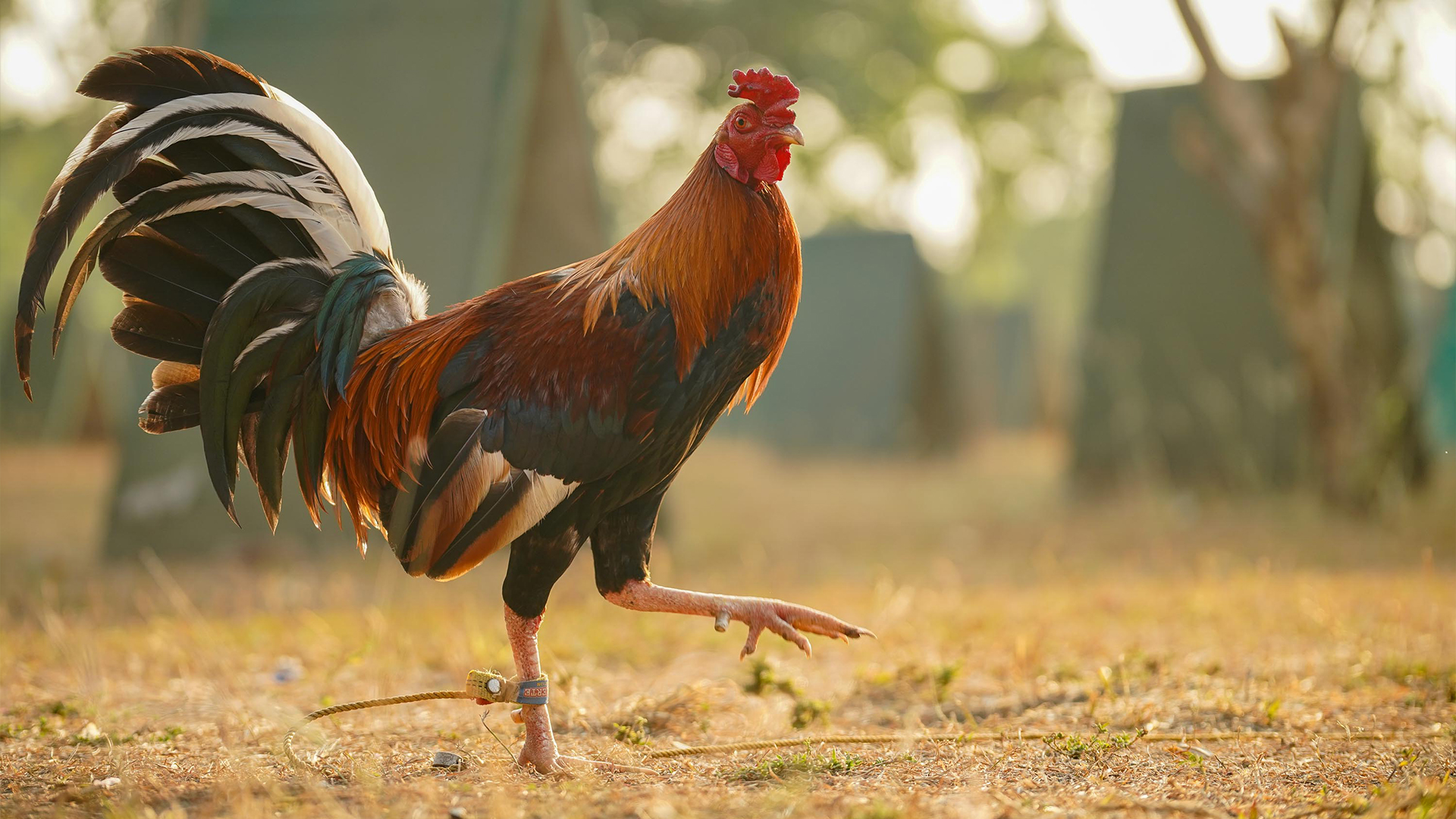
For a gamefowl farm to be productive and profitable, gamefowl breeders need to set a good and sustainable disease prevention program. The research, development, and planning involved in creating such a program for the optimal health of your chickens may not show immediate returns on investment, but in the long run, it will be worth it as the risk of disease is ever-present.
It pays to be safe because diseases can lead to reduced performance in growth rate, breeding, feed conversion, and egg production. For gamefowls, diseases can also affect their appearance and agility.
When creating a good disease prevention program, keep these three primary goals in mind:
- Increase gamefowl immunity through medications that are effective against the disease that is being treated.
- Proper sanitation and stress management to lessen gamefowl’s exposure to harmful organisms that may affect their health.
- Use effective medications advised by a licensed veterinarian.
Let’s take a closer look at the sources of common chicken diseases and how gamefowl breeders can prevent them.
Where do these diseases come from?
Prevention will always be better than cure, and the best way to practice precaution is to go to the root of the problem. Many factors can contribute to the diseases that your flock may acquire, and here are just some of them:
Humans
Whether visitors or your farm’s staff, people are often one of the major sources of disease transmission. Diseases can easily spread through clothing, hands, and footwear.
Infectious Agents
Infectious agents, also called pathogens, are living organisms that cause illnesses and can be spread from one bird to another. These include bacteria, viruses, fungi, external parasites such as lice and mites, and internal parasites like worms and coccidiosis.
Poor Farm Hygiene Measures Resulting in A Stressful Environment
Poor farm conditions and improper sanitation can easily lead to transmissions. The environment your gamefowls move in dictates how they grow. Living in bad conditions can stress them out, which can reduce their ability to resist disease.
How do I prevent diseases from breaking out?
Preventative measures are your first line of defense against diseases that may cripple your flock and your business.
Here are some measures you can include in your disease prevention program:
Vaccination
Vaccination can easily prevent several gamefowl diseases. Follow an approved vaccination program or make sure that they are appropriately vaccinated if you’re buying your stock. For this, you can request vaccination certificates from your supplier when purchasing your pullets or chickens.
Here are some poultry and gamefowl diseases that currently have vaccines:
- Chicken Anemia
- Fowl Cholera
- Fowl Pox
- Avian Encephalomyelitis
- Infectious Coryza
- Infectious Laryngotracheitis
- Infectious Bronchitis
- Infectious Bursal Disease
- Newcastle disease
When vaccinating, it is important for gamefowl breeders to:
- Read, understand, and follow the instruction on the label, including storage directions
- Use disposable gloves, needles, and syringes
- Properly dispose of all unused vaccines, needles, and syringes
- Keep your area clean but don’t use disinfectants or detergents near your equipment.
When it comes to vaccines, check with your supplier or your veterinarian for availability.
Sanitation
A clean and sanitized farm is a safe farm. One of the key biosecurity measures for disease control is effective cleaning and disinfection that must be carried out from time to time. This is to reduce the potential build-up of pathogens.
Here are other tips for sanitation:
- Use approved disinfectants such as chlorine dioxide and peracetic acid for disinfection and sterilization.
- Pay close attention to farm equipment entering the farm, disposal of dead birds, management of poultry manure, cleanliness of farm staff, and the sanitation of your flock’s drinking water.
- Keep the area around your poultry sheds clean and away from plastic and glass bottles, tins, drums, vegetation, and food waste.
- Isolate and quarantine new birds in a clean, dry, and separate place to prevent infectious agents from spreading to other flocks
- Keep any equipment around the farm clean and sanitary.
- Do not stockpile manure. Remove promptly and dispose of these properly.
- Manage rodents by eliminating their habitat and access to water and feed resources.
Nutrition
Proper nutrition helps improve the physical performance of your gamefowl and also aids in enhancing their immunity to prevent diseases and illnesses. Gamefowl feeds play a major role in your flock’s overall development; hence it is important to avoid settling for cheap alternatives.
Ensure your flock eats a well-balanced diet by giving them the best gamefowl feed available in the market. Include supplements like vitamins and minerals which will help boost their immunity and reduce the risk of illnesses and age-related conditions.
Check on your flock daily. If and when you spot diseases or parasites, take action straight away so that you can prevent them from spreading and protect your gamefowls. Contact your local veterinarian for more information about identifying, preventing, and treating gamefowl diseases.
For more tips on disease prevention, visit our YouTube channel and listen to the different seminars spearheaded by our expert Salto Gamefowl Specialists and our Alas ng Salto.
Frequently Asked Questions
1. What are the three primary goals every gamefowl disease prevention program should address?
A solid disease prevention program should focus on three core objectives: boosting gamefowl immunity through effective medications, maintaining proper sanitation and stress management to limit exposure to harmful organisms, and using treatments recommended by a licensed veterinarian. Diseases can reduce growth rate, breeding performance, feed conversion, egg production, and even a bird’s physical appearance and agility — making early and consistent prevention far more cost-effective than reactive treatment.
2. What are the most common sources of disease transmission on a gamefowl farm?
Disease outbreaks on gamefowl farms typically trace back to three main sources. People — including farm staff and visitors — can introduce pathogens through contaminated clothing, hands, and footwear. Infectious agents such as bacteria, viruses, fungi, external parasites like lice and mites, and internal parasites like worms and coccidiosis also pose constant risks. Poor farm hygiene and stressful living conditions further weaken a bird’s immune response, making flocks more vulnerable to infection and outbreak.
3. Which gamefowl diseases currently have available vaccines, and what precautions should be taken during vaccination?
Several diseases can be prevented through vaccination, including Newcastle disease, Fowl Pox, Fowl Cholera, Infectious Bronchitis, Infectious Bursal Disease, Infectious Coryza, Infectious Laryngotracheitis, Avian Encephalomyelitis, and Chicken Anemia. When vaccinating, breeders should follow label instructions carefully, use disposable gloves and syringes, properly dispose of unused materials, and avoid using disinfectants near vaccination equipment. Vaccination certificates should also be requested when purchasing pullets or stock from suppliers.
4. What sanitation practices are most effective in reducing disease risk on a gamefowl farm?
Effective sanitation begins with using approved disinfectants — such as chlorine dioxide and peracetic acid — and applying them consistently across facilities and equipment. New birds should be isolated and quarantined before joining the main flock. Manure must be removed promptly rather than stockpiled. Rodent habitats should be eliminated. Drinking water must be kept clean, and farm staff hygiene should be closely monitored. Keeping sheds and surrounding areas free of waste and clutter further reduces the risk of pathogen build-up.
5. How does proper nutrition contribute to gamefowl disease resistance?
A well-balanced, high-quality diet strengthens the immune system and improves a bird’s ability to resist illness. Providing premium gamefowl feeds supplemented with essential vitamins and minerals helps reduce susceptibility to disease and age-related conditions. Cutting costs by using cheap feed alternatives can compromise flock health in the long run. Daily monitoring of the flock allows breeders to detect early signs of illness or parasites and act quickly before problems spread across the entire farm.
References:
Poultry disease prevention and management (2016, August 1). Queensland Government. Retrieved 5 August 2021 from https://www.business.qld.gov.au/industries/farms-fishing-forestry/agriculture/livestock/poultry/diseases-health-management/maintaining-healthy-flock/disease-prevention-management
Prevention of Poultry Disease. University of Missouri. Retrieved 5 August 2021 from https://extension.missouri.edu/publications/g8903
Module 3: Common Poultry Diseases and Prevention Methods. InPoultry. Retrieved 5 August 2021 from https://www.inpoultry.com/module-3-national-poultry-improvement-plan-rules-and-forms

Recent Comments