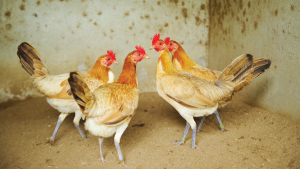
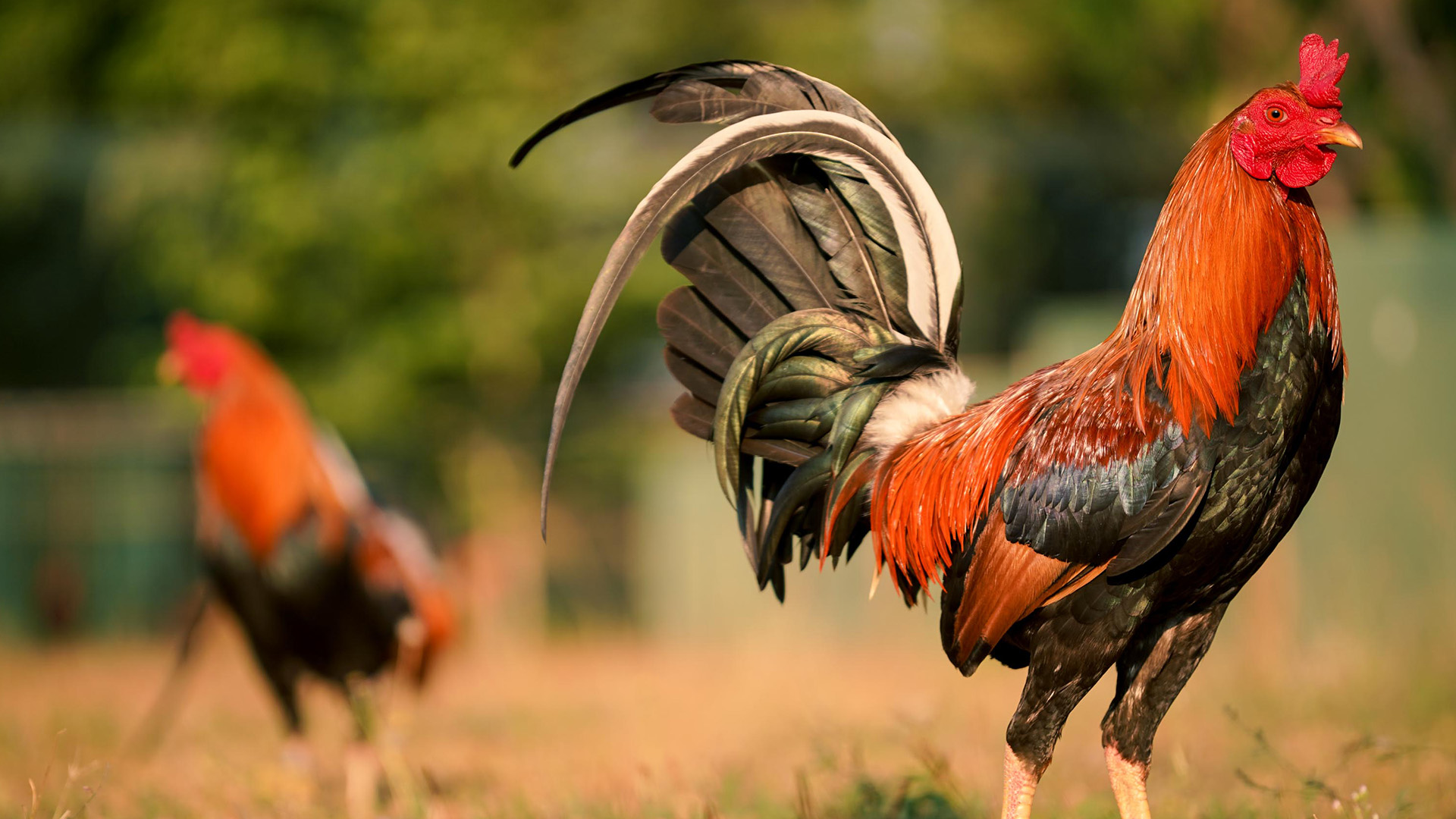
The performance of a rooster on the fighting pit depends significantly on its genetic build passed on from the qualities of its parents, which is achieved through breeding. The main objective of breeding is to improve the next generation of gamefowls in terms of gameness, endurance, cutting ability, speed, power, and stamina. Modern breeders improve the bloodlines of great families of gamefowl through a basic understanding of genetics.
Crossbreeding for Superior Gamefowl
Crossbreeding is an effective method in producing superior gamefowls. It is the mating of two different breeds of gamefowls whose main objective is to identify new combinations of characters or genetic potential that will lead to the formation of a new and better breed. One example is the combination of unrelated strains like a Hatch and a Sweater.
Many of the most successful battle crosses are produced through crossbreeding of inbred family of fowls. The combination of these superior gamefowl through crossbreeding took full advantage of heterosis or hybrid vigor—a phenomenon observed in plants and animals where the first generation of hybrids exhibit characteristics superior to their parents. The gamefowls that benefited from this are faster, smarter, and stronger than their parents.
Variations of Crossbreeding
Here are the three variations of crossbreeding:
- Straight Cross is when two strains are mated—for example, breeding a Ruble Hatch and a Black Traveler to take advantage of their power and speed blend.
- A Three-Way Cross, for example, is the matching of an even cross with good power and cutting ability like a Hatch–Claret with a Kelso who has a superior wallop and is a power-hitter.
- A Four-Way Cross matches two straight crosses like the mating of a Hatch-Claret to a Kelso-Roundhead.
Crossbreeding improves the overall health of the flock through genetic diversity as introducing a new breed can solve the challenge of lack of breeding improvement of the flock.
When starting, it is best to source a specimen from a breeder with good history and reputation who maintains a closely inbred strain. Through observation in the fighting pit, the breeder can learn the weaknesses and strengths of his fowl in terms of fighting style, speed, and cutting ability. Make the cross if the broodstock is free from defects, has strong disease resistance, and has the desired body conformation, temperament, and performance.
Maximizing Genetic Potential Through Nutrition
While genetics play a crucial role, the potential of gamefowl can only be fully realized with the right environment and proper growing management. Breeder and Alas ng Salto Dr. Marlo Lasutaz emphasized that the characteristics of the parents will be expressed better if the fowls received high-quality feeds and nutrition.
Gallimax 21 Chicken Breeder Ration optimizes egg production, fortified with Selenium, Vitamin E, and Liver Protech for better liver health, stress and disease resistance and results in stronger power and stamina.
Engr. Arturo Bona praises Salto Stag Developer, which is specially formulated for the development of bones and muscles that helps his gamefowl achieve the ideal body frame.
“Tama ang timplada ng feeds at ang nutrition na naibibigay ng Salto. Nakita ko na maganda resistance ng mga manok ko. Mula noon ay iniwan ko na ang dati kong produkto at ipinagpatuloy ko na ang Salto.” LSBBA 2019 Breeder of the Year and Alas ng Salto Engr. Arturo Bona stated.
Frequently Asked Questions
1. What is crossbreeding and why is it used in gamefowl breeding?
Crossbreeding is the mating of two different gamefowl breeds to identify new combinations of traits that produce a superior bird. Its primary goal is to improve the next generation in terms of gameness, speed, cutting ability, power, and stamina. By combining unrelated strains — such as a Hatch and a Sweater — breeders can unlock genetic potential that neither parent possesses alone, resulting in offspring that outperform their parents in the fighting pit.
2. What is hybrid vigor and how does it benefit crossbred gamefowl?
Hybrid vigor, or heterosis, is a biological phenomenon where the first-generation offspring of two distinct breeds display characteristics superior to either parent. In gamefowl, this means crossbred birds tend to be faster, smarter, and stronger. Many of the most successful battle crosses exploit this advantage by combining inbred family lines, maximizing the complementary strengths of each bloodline to produce a more competitive and resilient bird.
3. What are the three main variations of crossbreeding used in gamefowl?
There are three crossbreeding methods used in gamefowl. A Straight Cross pairs two strains directly, such as a Ruble Hatch and a Black Traveler for a blend of power and speed. A Three-Way Cross matches an existing even cross — like a Hatch-Claret — with a third strain such as a Kelso. A Four-Way Cross combines two straight crosses, for example mating a Hatch-Claret with a Kelso-Roundhead for maximum genetic diversity.
4. What should breeders evaluate before making a cross?
Before executing a cross, breeders should source broodstock from reputable breeders who maintain closely inbred strains with documented history. The selected birds should be free from physical defects, demonstrate strong disease resistance, and have the desired body conformation, temperament, and fighting performance. Observing the fowl’s behavior and results in the pit helps breeders understand each bird’s strengths and weaknesses before deciding which cross to make.
5. How does nutrition support the expression of crossbred genetic traits?
Genetics alone do not guarantee superior performance — proper nutrition is equally critical for traits to be fully expressed. High-quality feeds like Gallimax 21 Chicken Breeder Ration support egg production and stress resistance through Selenium and Vitamin E, while Salto Stag Developer promotes optimal bone and muscle development in growing birds. Without the right nutritional foundation, even the best genetic combinations may fail to reach their full physical potential.
References:
- Crossbreeding: Advantages and Disadvantages. August 10, 2020. Breeders Academy. Retrieved August 29, 2021 from the Breeders Academy website.
- Basic Breeding for Gamefowl: Inbreed to Fix Traits, Cross Breed to Add Traits. February 10, 2014. Reach Unlimited. Retrieved August 29, 2021 from the Reach Unlimited website.
- The Gamecock – Basic Breeding Concepts and Considerations. March 22, 2013. Gamecock Care. Retrieved August 29, 2021 from the Gamecock Care website.