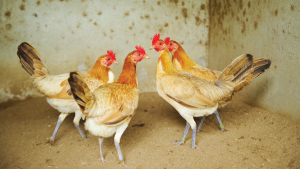
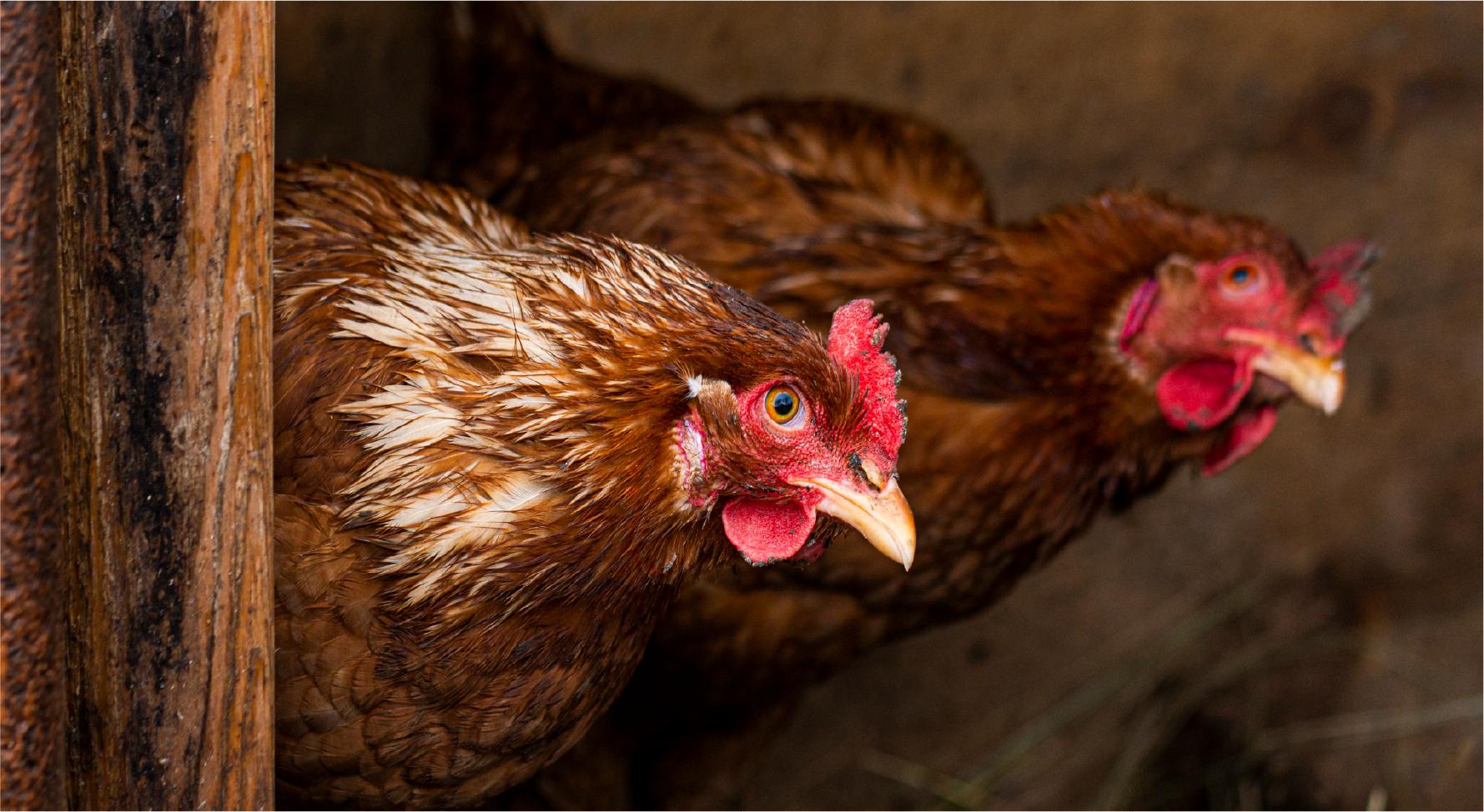
Hen brooding is letting the hen take care of the newly hacked chicks, this is the natural method. It causes natural instincts of the chicks to be developed earlier as they can imitate what the hen does.
Nowadays, with many disease challenges that are present in farms, hen brooding is discouraged to avoid contracting disease from the hens. There are also limited number of chicks a single hen can take care properly which will result to lower efficiency and productivity, especially if you want to product a large or at a commercial scale.
Frequently Asked Questions
What is hen brooding and why is it considered the natural method of raising chicks?
Hen brooding is the practice of allowing a mother hen to care for newly hatched chicks directly after they emerge from the egg. It is considered the natural method because it relies on the hen’s instinctive maternal behaviors — warming, protecting, and guiding the chicks. A key developmental benefit is that chicks raised this way tend to develop their natural instincts earlier, as they learn by observing and imitating the hen’s behaviors from the very first days of life.
What is the main developmental advantage of hen brooding for newly hatched chicks?
The primary developmental advantage of hen brooding is the early activation of the chicks’ natural instincts. By living closely with the mother hen, chicks can observe and mimic her behavior — including foraging, pecking, and responding to environmental cues — from the moment they hatch. This imitation-based learning helps chicks adapt more quickly to their surroundings compared to chicks raised in artificial brooding environments, potentially giving them a stronger behavioral foundation during the critical early weeks of development.
Why is hen brooding increasingly discouraged in modern gamefowl farm management?
Despite its natural advantages, hen brooding is discouraged on modern farms primarily due to disease risk. Hens can carry and transmit pathogens to newly hatched chicks during the brooding period, making the chicks vulnerable at their most fragile stage of life. As disease challenges on farms become more complex and varied, exposing newborn chicks to the hen’s microbial environment poses a biosecurity risk that many farm managers find too significant to accept, particularly where flock health and survival rates are priorities.
How does hen brooding limit farm productivity and scalability?
A single hen has a limited physical capacity to brood and properly care for chicks — she can only cover, warm, and attend to a small number at a time. This creates an efficiency bottleneck that makes hen brooding impractical for breeders operating at commercial scale or looking to grow their production significantly. When the goal is to raise large numbers of chicks consistently, artificial brooding systems offer greater control over temperature, hygiene, and capacity, making them a more viable option for high-volume operations.
What is the broader management implication of moving away from hen brooding?
Transitioning away from hen brooding reflects a shift toward more controlled, biosecure, and scalable chick-rearing practices on gamefowl farms. It places greater responsibility on the breeder to replicate artificially what the hen provides naturally — appropriate heat, protection, and nutrition — through equipment and feed programs. This shift demands closer attention to brooding temperature, humidity, feed quality, and health protocols during the chicks’ earliest days, as the natural buffer provided by the mother hen is no longer present to support early survival and development.