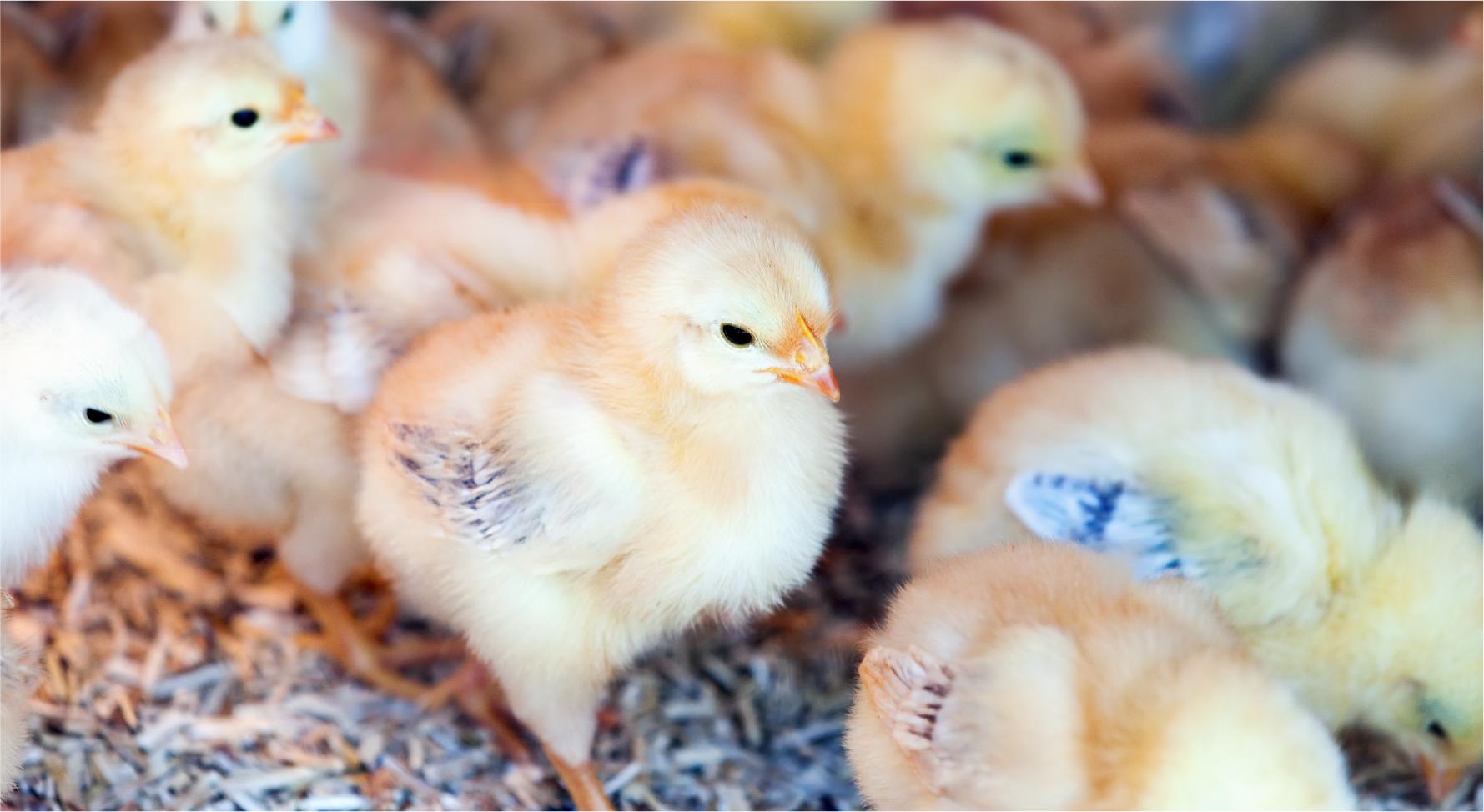
Proper selection should be practiced at each life stage of the chickens. All the chicks that will be transferred from the incubator to the brooder should be healthy. The characteristics that will show good health are very alert and energetic chicks that look very strong.
If there are weaker chicks or too small – move them out to the brooder and be culled as healthy chicks have a high risk on catching disease from them.
Weak chicks could be the following:
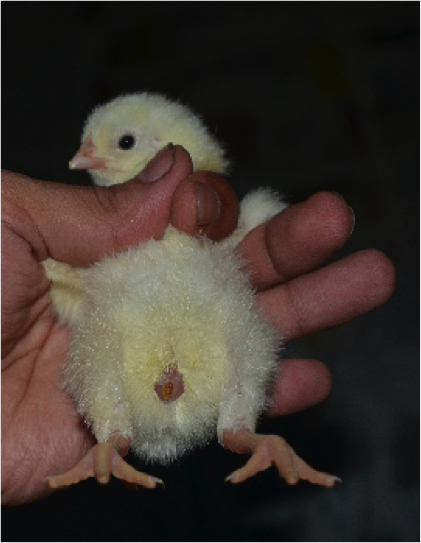
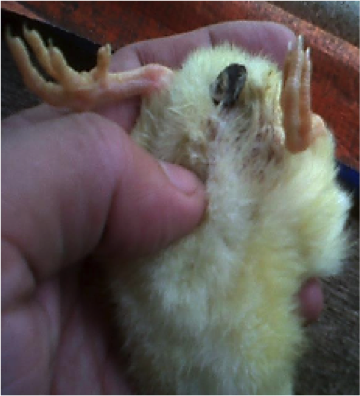
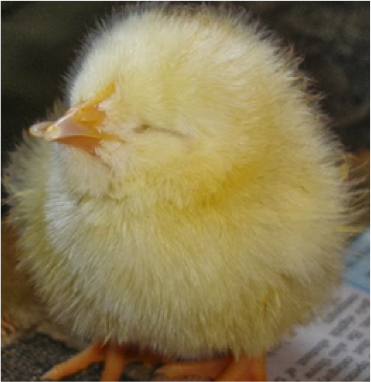
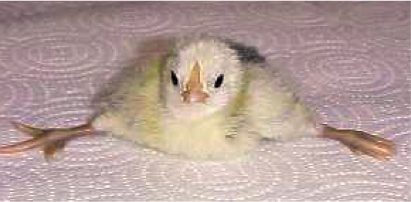
Other defects also include curled or crooked toes, lameness, crooked beaks, blindness, unhealed navels or any other abnormalities that you can observe. If you are unsure you can send us a message through http://salto.com.ph/contact-us/ and our Gamefowl Specialist will assist you accordingly.

Frequently Asked Questions
Why is chick selection at the incubator-to-brooder transfer stage so important?
The transfer from incubator to brooder is a critical health checkpoint in a gamefowl farm’s production cycle. Only healthy, vigorous chicks should be moved to the brooder, as weak or defective chicks pose a significant disease transmission risk to the rest of the flock. Healthy chicks are identified by their alertness, energy, and overall physical strength. Allowing weak chicks to mix with healthy ones increases the likelihood of disease spread, which can compromise the survival and performance of the entire batch.
What are the visual indicators that a newly hatched chick is healthy and fit for brooding?
A healthy, brooder-ready chick is visually distinct: it should appear very alert and responsive to its surroundings, move energetically, and have a strong, robust physical appearance. Size consistency within the batch is also a useful indicator, as undersized chicks may signal developmental problems during incubation. Any chick that appears lethargic, moves weakly, or looks noticeably smaller than its hatchmates should be flagged for evaluation rather than transferred directly into the main brooder with the healthy flock.
What are the specific physical defects that identify a chick as defective or weak?
Several observable physical conditions indicate a defective chick. These include an unhealed navel (visible as an open or poorly closed umbilical area), a black button (discoloration at the navel site), crossed beak (where the upper and lower beak misalign), and splayed legs (where the legs spread outward, preventing normal standing or walking). Additional defects include curled or crooked toes, lameness, crooked beaks, blindness, and any other visible anatomical abnormalities that deviate from the standard healthy chick profile.
What should be done with defective or weak chicks once they are identified?
Defective or weak chicks should be promptly removed from the group of healthy chicks and culled. Allowing weak chicks to remain with healthy ones creates a high risk of disease transmission, as compromised birds are more susceptible to pathogens and can spread illness to stronger hatchmates. Culling at this early stage — rather than attempting to rehabilitate borderline chicks — is a standard biosecurity and productivity practice that protects the health and development of the broader flock throughout the brooding period.
What should breeders do if they are uncertain whether a chick is defective?
When breeders are unsure whether a chick exhibits a defect or falls within normal variation, they are encouraged to seek expert guidance rather than make assumptions. Gamefowl specialists are available to evaluate specific cases and provide accurate assessments. Contacting a qualified specialist helps breeders make informed culling decisions, avoiding the accidental removal of viable chicks or the retention of genuinely defective ones. Early consultation also helps breeders build familiarity with defect identification over time, improving their selection accuracy across future hatch cycles.