
Articles, Gamefowl Management
Why Health is Crucial in Gamefowl Care
Feeding and training alone are not enough when raising gamefowl. One of the most important aspects of breeding is maintaining health and disease prevention. Without proper care, common illnesses can lower performance, weaken stamina, or even lead to the loss of stock.
General Tips for Keeping Gamefowl Healthy
Before we go into specific diseases, here are some universal practices that every breeder should follow to keep their flocks strong and resilient:
- Clean and Dry Environment: Keep coops, brooders, and pens free of excess moisture and waste. Replace litter regularly.
- Proper Ventilation: Ensure airflow to reduce ammonia buildup and respiratory stress.
- Quarantine New Birds: Isolate new or returning gamefowl for at least 2 weeks before mixing them with the flock.
- Balanced Nutrition: Provide rations rich in protein, vitamins, and minerals tailored for growth stages.
- Vaccination Program: Follow a vet-advised vaccination schedule for common viral diseases.
- Regular Inspection: Check birds frequently for early signs of illness or parasites.
- Biosecurity Measures: Limit visitors, disinfect equipment, and prevent contact with wild birds.
By sticking to these basics, you greatly reduce the risk of outbreaks. Let’s now look at the most common health issues gamefowl breeders face.
1. Respiratory Diseases (CRD, Newcastle, Infectious Bronchitis)
What They Are
- CRD (Chronic Respiratory Disease) – caused by Mycoplasma gallisepticum; symptoms: nasal discharge, swollen sinuses, wheezing.
- Newcastle Disease – Avian paramyxovirus; symptoms: coughing, greenish diarrhea, twisted neck, paralysis, sudden death.
- Infectious Bronchitis (IBV) – coronavirus; symptoms: sneezing, watery eyes, poor condition.
How to Prevent:
- For CRD: Keep housing clean and stress-free; avoid overcrowding.
- For Newcastle: Follow a strict vaccination program; limit exposure to wild birds.
- For IBV: Vaccinate young stock; disinfect pens and feeders between flocks.
2. Coccidiosis (Eimeria Infections)
What It Is
Caused by protozoa such as E. tenella (bloody diarrhea), E. maxima (weight loss), and E. acervulina (poor absorption).
How to Prevent:
- Keep litter dry and rotated to disrupt parasite cycles.
- Include coccidiostat in feed during brooding/growing stages.
- Avoid overcrowding and maintain dry feeders/drinkers.
3. External Parasites (Northern Fowl Mite, Lice, Sticktight Flea)
What They Are
- Northern Fowl Mite – anemia and scabs near vent.
- Chicken Body Louse – crawling on skin and feathers.
- Sticktight Flea – clusters around combs, wattles, and eyes.
How to Prevent:
- Apply poultry-safe insecticides or dusting powders at intervals.
- Provide dust baths with ash or lime.
- Sanitize roosts, nest boxes, and bedding often.
- Clear weeds and standing water to discourage fleas.
4. Dehydration and Heat Stress Syndrome
What It Is
High temperatures cause panting, drooping combs, reduced feed intake, and sometimes sudden collapse.
How to Prevent:
- Ensure cool, clean water is always available.
- Add electrolytes and vitamins during hot days or after training.
- Use shades, foggers, or fans in pens.
- Train birds during cooler hours (early morning, late afternoon).
5. Leg and Bone Problems (Splay Leg, Rickets, Gout, Bumblefoot, Reovirus Viral Arthritis, Mareks Disease Leg Paralysis)
What They Are
- Splay Leg – legs spread apart in chicks.
- Rickets – weak bones from calcium or Vitamin D deficiency.
- Gout – swollen joints due to uric acid buildup.
- Bumblefoot (Pododermatitis) – footpad infection from rough or dirty floors.
- Reovirus Viral Arthritis (Tenosynovitis) – viral infection affecting joints and tendons; birds may struggle to stand or walk.
- Marek’s Disease (Leg Paralysis) – viral infection affecting the nerves, causing leg weakness or paralysis, especially in young birds.
How to Prevent:
- For Splay Leg: Use non-slippery bedding like rice hulls or wood shavings.
- For Rickets: Provide feed with balanced calcium, phosphorus, and Vitamin D3.
- For Gout: Avoid overfeeding protein; provide fresh water daily.
- For Bumblefoot: Keep litter dry, repair rough flooring, treat wounds early.
- Reovirus Viral Arthritis: Vaccinate chicks in farms with known history; maintain strict cleanliness to limit viral spread.
- Marek’s Disease: Vaccinate chicks at day-old; avoid mixing birds of different ages to minimize exposure.
Key Takeaways
The best defense against gamefowl diseases is a two-level strategy:
- General flock management (clean housing, balanced nutrition, vaccination, and biosecurity).
- Disease-specific prevention (knowing which pathogens or parasites to watch out for and taking early action).
With both in place, breeders can raise healthier, stronger gamefowl ready for conditioning and competition.
5 Karaniwang Sakit ng Gamefowl at Paano Maiiwasan
Bakit Mahalaga ang Kalusugan ng Gamefowl
Hindi sapat ang feeding at training lang para sa manok panabong. Isa sa pinakamahalagang aspeto ng breeding ay ang pagpapanatili ng kalusugan at tamang pag-iwas sa sakit. Kung mapapabayaan, ang mga karaniwang sakit ay maaaring magdulot ng pagbaba ng performance, kahinaan, o maging pagkawala ng mahalagang stock.
Mga Pangkalahatang Tip para sa Matatag na Gamefowl
Bago talakayin ang mga partikular na sakit, narito ang ilang general practices na dapat gawin ng bawat breeder:
- Malinis at tuyong kapaligiran: Panatilihing malinis ang kulungan; palitan ang litter nang regular.
- Maayos na bentilasyon: Siguraduhin na may sapat na airflow para mabawasan ang ammonia at alikabok.
- Quarantine ng bagong manok: Ihiwalay ang mga bagong dating o galing labas sa loob ng 2 linggo.
- Tamang nutrisyon: Bigyan ng feeds na may sapat na protina, bitamina, at mineral para sa bawat growth stage.
- Vaccination program: Sundin ang schedule para sa mga viral diseases gaya ng Newcastle at Infectious Bronchitis.
- Regular na inspeksyon: Madalas na suriin ang mga manok para sa maagang sintomas ng sakit o peste.
- Biosecurity: Limitahan ang mga bisita, i-disinfect ang gamit, at iwasang makihalo sa ligaw na ibon.
1. Respiratory Diseases (CRD, Newcastle, Infectious Bronchitis)
Ano Ito
- CRD (Chronic Respiratory Disease) – dulot ng Mycoplasma gallisepticum; sintomas: sipon, pamamaga ng sinus, huni o wheezing.
- Newcastle Disease – Avian paramyxovirus; sintomas: ubo, berdeng dumi, pagpilipit ng leeg (torticollis), paralisis, biglaang pagkamatay.
- Infectious Bronchitis (IBV) – coronavirus; sintomas: bahing, luhaang mata, pagbaba ng kondisyon.
Paano Maiiwasan:
- CRD: Panatilihing malinis at may tamang airflow ang kulungan; iwasan ang stress at siksikan.
- Newcastle: Magpabakuna ayon sa schedule; bawasan ang exposure sa ligaw na ibon.
- IBV: Magbakuna ng sisiw; i-disinfect ang kulungan at gamit sa bawat batch.
- Quarantine bago pagsamahin sa main flock.
2. Coccidiosis (Eimeria Infections)
Ano Ito
Parasitic disease mula sa Eimeria species tulad ng:
- E. tenella – nagdudulot ng madugong pagtatae.
- E. maxima – pagbaba ng timbang at panghihina.
- E. acervulina – mahina ang absorption ng nutrients.
Paano Maiiwasan:
- Panatilihing tuyo ang litter at palitan regularly.
- Gumamit ng coccidiostat sa feed lalo na sa sisiw at growers.
- I-rotate ang brooding areas para maiwasan ang pagdami ng parasite.
- Huwag magsiksikan ng mga manok sa maliit na lugar.
3. External Parasites (Northern Fowl Mite, Lice, Sticktight Flea)
Ano Ito
- Northern Fowl Mite – anemia at sugat malapit sa vent.
- Chicken Body Louse – gumagapang sa balahibo at balat.
- Sticktight Flea – kumakapit sa suklay, piskis, at mata parang scabs.
Paano Maiiwasan:
- Regular na maglagay ng poultry-safe insecticide o dusting powder.
- Magbigay ng dust bath na may abo o apog.
- Linisin ang mga pugad, perches, at palitan ang bedding nang madalas.
- Bawasan ang damo at stagnant water sa paligid ng kulungan.
4. Dehydration at Heat Stress Syndrome
Ano Ito
Ang sobrang init ay nagdudulot ng heat stress: hingal, bagsak ang suklay, mababang gana kumain, at minsan biglaang pagkamatay.
Paano Maiiwasan:
- Siguraduhing may malinis at malamig na tubig palagi.
- Magbigay ng electrolytes at vitamins sa mainit na araw o pagkatapos ng training.
- Maglagay ng shade, bentilador, o fogger para bawasan ang init.
- I-schedule ang training sa umaga o hapon para iwas init.
5. Problema sa Paa at Buto (Splay Leg, Rickets, Gout, Bumblefoo, Reovirus Viral Arthritis, Marek’s Disease)
Ano Ito
- Splay Leg – nakabuka ang paa ng sisiw dahil sa madulas na flooring.
- Rickets – mahihinang buto dahil sa kakulangan ng Calcium o Vitamin D3.
- Gout – namamagang kasu-kasuan dahil sa uric acid buildup o problema sa bato.
- Bumblefoot (Pododermatitis) – impeksyon sa talampakan dulot ng matigas o maruming sahig.
- Reovirus Viral Arthritis (Tenosynovitis) – impeksyon na umaatake sa kasu-kasuan at tendon ng paa; nagdudulot ng pamamaga at hirap tumayo.
- Marek’s Disease (Leg Paralysis) – viral disease na tumatama sa nerbiyos ng paa, nagdudulot ng panghihina o paralysis, lalo na sa kabataang manok.
Paano Maiiwasan:
- Splay Leg: Gumamit ng bedding gaya ng ipa o sawdust na hindi madulas.
- Rickets: Bigyan ng feeds na may sapat na calcium, phosphorus, at Vitamin D3.
- Gout: Huwag sobrahan ang protina; siguraduhin na may malinis na tubig para sa kidney function.
- Bumblefoot: Panatilihing tuyo ang sahig; ayusin ang matutulis o magaspang na flooring; gamutin agad ang sugat.
- Reovirus Viral Arthritis: Magpabakuna ng sisiw kung may outbreak history sa farm; panatilihing malinis ang kulungan upang maiwasan ang viral spread.
- Marek’s Disease: Magpabakuna sa unang araw pa lang ng sisiw (day-old vaccination); iwasan ang halo-halong edad ng mga manok sa isang kulungan upang hindi madaling makahawa.
Key Takeaways
Ang kalusugan ng gamefowl ay nakasalalay sa dalawang antas:
- General management – malinis na kapaligiran, tamang nutrisyon, bakuna, at biosecurity.
- Disease-specific prevention – alamin ang mga partikular na sakit tulad ng CRD, Coccidiosis, at Bumblefoot, at maagap na kumilos.
Sa kombinasyon ng dalawa, makakabuo ka ng mas matatag na manok panabong na handa sa conditioning at laban.
Articles, Gamefowl Management
One of the often-overlooked but important aspects of gamefowl farm management is choosing the right bedding. Using unsuitable materials can cause discomfort and stress, affecting your gamefowl’s health and performance. Selecting the proper bedding supports both comfort and hygiene, ensuring a clean and healthy environment for your birds.
Bedding and Hygiene
Gamefowl care begins with the environment. Clean, dry bedding prevents the spread of bacteria, odor, and excess moisture. If not changed regularly, bedding can harbor fungi, parasites, and disease-causing microorganisms.
Best Practices:
- Maintain good ventilation to reduce humidity and odor buildup.
- Clean or rake the bedding daily to remove droppings.
- Replace the bedding completely every 3–4 days or sooner if it gets damp.
Choosing the Right Materials
The best bedding materials are absorbent, lightweight, locally available, and easy to replace. Different countries have different options depending on what’s abundant and affordable.
Commonly Used Bedding Materials Across Asia:
- Rice hulls– widely available, cost-efficient, and good for absorbing moisture.
- Coconut coir dust or husk chips – sustainable, absorbs moisture well, and provides a soft layer.
- Chopped straw or hay – good cushioning, though it needs frequent replacement in humid areas.
- Sawdust (fine wood particles) – helps control odor but should be kept dry to avoid mold.
- Sand or soil mix – ideal for open-range setups, allows dust bathing and stays cool in hot climates.
Each material has pros and cons, but the key is to keep the area dry, clean, and comfortable. Regular maintenance ensures your gamefowl stays healthy and ready for top performance.
The Bottom Line
Proper bedding may seem like a small detail, but it makes a big impact. By choosing materials that suit your local climate and keeping hygiene in check, you provide your gamefowl a safe and comfortable space to rest, recover, and grow strong.
FAQs: Bedding for Gamefowl
Q1: Why is proper bedding important for gamefowl?
A: It maintains cleanliness, prevents disease, and ensures your gamefowl’s comfort for better performance.
Q2: How often should bedding be replaced?
A: Clean daily and replace every 3–4 days or earlier if it becomes wet or dirty.
Q3: What’s the best bedding material in humid countries?
A: Rice hulls and coconut coir are excellent for tropical climates as they absorb moisture and dry quickly.
Q4: Can I reuse old bedding?
A: It’s not advisable. Used bedding can harbor bacteria and fungi that may affect your fowl’s health.
Q5: How does poor bedding affect gamefowl health?
A: It can cause respiratory issues, foot sores, and infections due to bacteria buildup.
Paano Pumili ng Tamang Bedding para sa Gamefowl: Ginhawa at Kalinisan sa Iyong Manukan
Isa sa mga madalas nakakaligtaan ngunit napakahalagang bahagi ng gamefowl farm management ay ang tamang bedding o sapin para sa manok. Ang maling uri ng sapin ay maaaring magdulot ng stress at discomfort, kaya’t kailangang pumili ng materyales na malinis, absorbent, at madaling palitan.
Bedding at Kalinisan
Nagsisimula ang pag-aalaga ng gamefowl sa malinis na kapaligiran. Ang tuyo at maayos na bedding ay nakatutulong maiwasan ang bacteria, amoy, at sobrang halumigmig o humidity. Kapag hindi napapalitan, maaaring pamahayan ito ng fungi at parasite na magdudulot ng sakit.
Mga Dapat Gawin:
- Linisin o haluin ang bedding araw-araw upang matanggal ang dumi.
- Palitan ito tuwing 3–4 araw o agad kapag ito ay basa.
- Siguraduhing may maayos na bentilasyon upang hindi mag-ipon ng amoy at halumigmig.
Pagpili ng Tamang Materyales
Pumili ng magaang, absorbent, at abot-kayang materyales na madaling mahanap sa iyong lugar. Narito ang ilang halimbawa ng mga karaniwang ginagamit sa iba’t ibang bansa sa Asya:
Mga Rekomendadong Materyales:
- Rice hulls (ipa) – abot-kaya, madaling linisin, at mahusay sumipsip ng moisture.
- Coconut coir o bunot – natural at mahusay sumipsip ng tubig.
- Chopped straw o dayami – nagbibigay lambot ngunit kailangang madalas palitan.
- Sawdust – nakakabawas ng amoy ngunit dapat laging tuyo.
- Buhangin o lupa – mainam sa mainit na klima at nagbibigay pagkakataon sa dust bathing ng mga manok.
Ang sikreto ay ang pagpapanatiling malinis at tuyo ng kulungan. Sa ganitong paraan, magiging masigla, komportable, at malayo sa sakit ang iyong mga alaga.
FAQs
Q1: Bakit mahalaga ang tamang bedding para sa gamefowl?
A: Ang tamang bedding ay nakakatulong mapanatili ang kalinisan, iwas-sakit, at nagbibigay ng ginhawa sa mga manok panabong. Kapag komportable ang kapaligiran, mas nagiging malusog at aktibo ang iyong mga alaga.
Q2: Gaano kadalas dapat palitan ang bedding?
A: Linisin o haluin ang bedding araw-araw, at palitan ito tuwing 3–4 araw o mas maaga kung ito ay basa o marumi na.
Q3: Ano ang pinakamainam na bedding sa mga lugar na mahalumigmig o mainit ang klima?
A: Sa mga tropical na lugar, mainam gamitin ang rice hulls (ipa) at coconut husk dust o coco peat (bunot) dahil mahusay itong sumipsip ng moisture at mabilis matuyo.
Q4: Pwede bang gamitin muli ang lumang bedding?
A: Hindi inirerekomenda. Ang lumang bedding ay maaaring pamahayan ng bacteria at fungi na maaaring magdulot ng sakit sa iyong mga manok.
Q5: Ano ang maaaring mangyari kung marumi o basa ang bedding?
A: Maaaring magdulot ito ng impeksiyon sa balat, problema sa paghinga, at stress sa mga manok. Ang maruming kapaligiran ay mabilis ding makaapekto sa kanilang kalusugan at performance.
Articles, Gamefowl Management
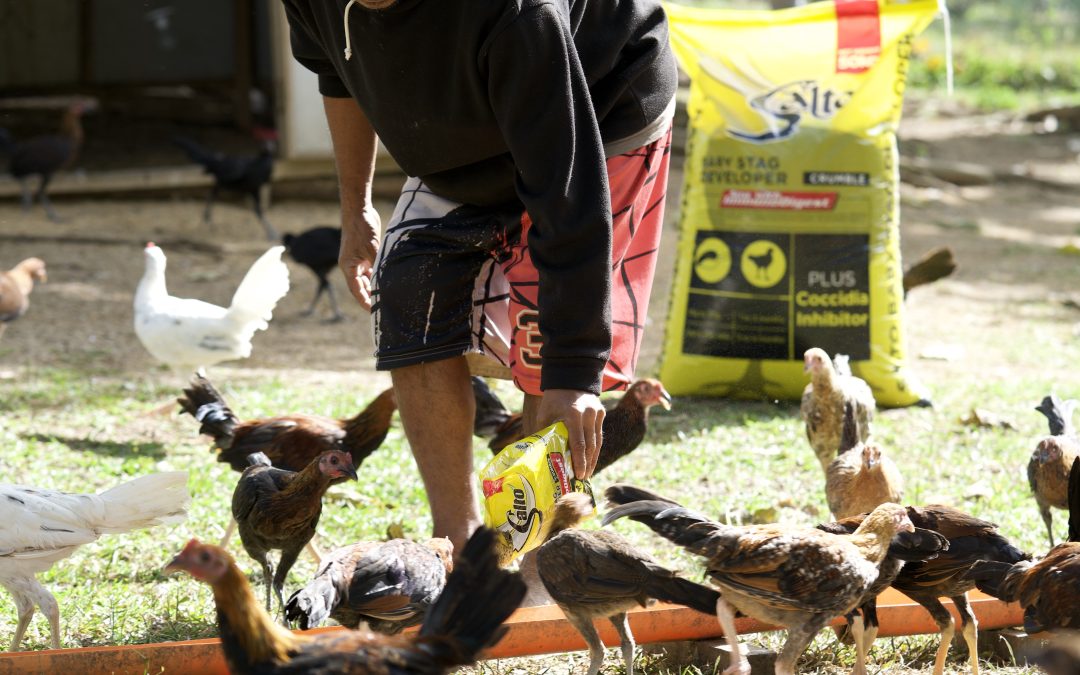
Feeding gamefowl the right way goes beyond simply giving them enough feed. Proper nutrition at every stage—from chicks to fighting cocks—can unlock their full strength, stamina, and potential. This guide explores the essentials of gamefowl feeding, conditioning, and supplements to help maximize performance.
1. Choose the Right Feed for Every Gamefowl Stage
- Starter Feed (Chicks): High in protein and nutrients to support rapid growth and strong immunity.
👉 Use Salto Chick Booster to give your chicks a strong start.
- Grower Feed (Stags): Balanced nutrients to build muscle, bone strength, and stamina during development.
👉 Strengthen your stags with Salto Stag Developer, designed for optimal growth.
- Maintenance Feed (Cocks): Provides daily balanced nutrition for health and condition outside of fight prep.
👉 Maintain your cocks with Gallimax 3, ensuring consistent health and vigor.
- Conditioning Feed (Battle Stags & Fighting Cocks): Specialized mix of protein, carbs, and fats to improve stamina, speed, and recovery during pre-fight training.
👉 Prepare them with Salto’s precision conditioners for peak performance.
2. The Role of Protein in Gamefowl Nutrition
Protein, specifically Amino Acids, is the foundation of muscle strength and endurance. Gamefowl require feeds with good quality protein to support growth, stamina, and recovery. Higher protein levels are especially important for chicks and stags as they prepare for the next phase.
👉 As gamefowl move into conditioning, their nutrition shifts from growth to performance—focusing on stamina, recovery, and fight readiness.
3. Conditioning Feeds for Peak Performance
General tip: When your gamefowl enter the conditioning phase, adjust nutrition to build stamina, speed, and recovery. Conditioning feeds should complement training load, maintain a 20%+ protein profile, and support fast recovery so birds arrive at peak form on fight week.
The Salto Advantage: Unlike one-size-fits-all conditioners, Salto offers two precision conditioners tailored to fight stages:
- Salto Stag Conditioner – for young fighters preparing for stag derbies; helps accelerate development and readiness for intensive training.
- Salto Conditioner – for bull stags and cocks preparing for cock derbies; supports peak physical state by balancing mature power with agility and endurance.
4. Essential Supplements for Gamefowl
Complete your gamefowl’s nutrition with supplements:
- Calcium and Phosphorus for bone integrity
- Vitamins A, D, and E for feathers, reproduction, and immunity
- Electrolytes for hydration and recovery
5. Feeding Schedule and Hydration
- Follow a consistent feeding schedule with propner portion sizes.
- Always provide clean water, especially after conditioning and training.
Final Takeaway
Success in the pit starts with proper gamefowl nutrition. With Salto feeds—from chick starter to precision conditioners—you can give your gamefowl the strength, stamina, and recovery they need to reach their full potential.
Start today! Contact your nearest Salto feed and supplement supplier to prepare your gamefowl for victory.
Frequently Asked Questions (FAQs)
1. What is the best feed for gamefowl at different stages?
Each life stage requires a specific feed type. Starter feeds are ideal for chicks, grower feeds for stags, maintenance feeds for adult cocks, and conditioning feeds for birds preparing for derbies.
Salto provides a complete line of feeds for every stage—from chicks to fighting cocks—ensuring proper nutrition and consistent development throughout their growth.
2. How much protein do gamefowls need?
Gamefowls thrive on feeds with at least 20% protein. Protein supports muscle growth, stamina, and recovery—especially crucial for chicks and stags transitioning into conditioning.
3. Why are conditioning feeds important?
Conditioning feeds help gamefowl build stamina, speed, and endurance in preparation for competition. They ensure proper energy balance and faster recovery after training.
4. What’s the difference between Salto Stag Conditioner and Salto Conditioner?
- Salto Stag Conditioner is made for younger fighters in stag derbies to enhance growth and training response.
- Salto Conditioner is designed for bull stags and mature cocks, supporting power, agility, and endurance for cock derbies.
These precision conditioners give the right nutrition based on fight stage.
5. What supplements should I add to my gamefowl’s diet?
Essential supplements include:
- Calcium and phosphorus for strong bones
- Vitamins A, D, and E for feathers, reproduction, and immunity
- Electrolytes for hydration and faster recovery
6. How often should I feed and water my gamefowl?
Feed on a consistent schedule with controlled portions. Always provide clean, fresh water, especially during conditioning and after training.
7. How can I tell if my gamefowls are getting proper nutrition?
Healthy gamefowl show signs of bright eyes, strong posture, shiny feathers, and steady energy. If performance or appetite declines, recheck feed quality and supplement balance.
Tamang Pagpapakain ng Manok Panabong: Kumpletong Gabay
Ang pagpapakain ng manok panabong ay hindi lang tungkol sa dami ng pagkain. Ang wastong nutrisyon sa bawat yugto—mula sisiw hanggang panlaban—ay susi sa lakas, tibay, at tagumpay. Narito ang isang gabay sa tamang feeding, conditioning, at supplements upang maabot ang maximum performance.
1. Piliin ang Tamang Feed para sa Bawat Yugto
- Starter Feed (Sisiw): Mataas sa protein at nutrients para sa mabilis na paglaki at malakas na resistensya.
👉 Simulan nang tama gamit ang Salto Chick Booster para sa malakas na sisiw.
- Grower Feed (Stags / Binatilyo): Balanseng nutrisyon para sa pag-develop ng kalamnan, buto, at stamina.
👉 Palakasin ang iyong stag gamit ang Salto Stag Developer para sa tamang paglaki.
- Maintenance Feed (Cocks): Araw-araw na nutrisyon para manatiling malusog at nasa kondisyon.
👉 Panatilihin ang sigla gamit ang Gallimax 3 para sa mga cock.
- Conditioning Feed (Battle Stags at Panlaban): Espesyal na timpla ng protein, carbohydrates, at fats para sa tibay, bilis, at recovery bago ang laban.
👉 Ihanda sila gamit ang Salto precision conditioners para sa peak performance.
2. Kahalagahan ng Protein
Ang Protein, partikular na ang Amino Acids, ang pundasyon ng lakas at tibay ng mga kalamnan. Kailangan ng mga manok panabong ng pakain na may mataas na kalidad ng protina upang masuportahan ang kanilang paglaki, resistensya, at mabilis na pag-recover. Ang mas mataas na antas ng protina ay lalo nang mahalaga para sa mga sisiw at stag habang inihahanda sila para sa susunod na yugto ng kanilang pag-unlad.
👉 Kapag pumasok na sa conditioning, nagbabago ang nutrisyon mula growth tungo sa performance—nakatuon sa stamina, recovery, at fight readiness.
3. Conditioning Feed para sa Peak Performance
Pangkalahatang tip: Kapag pumasok na sa conditioning ang iyong gamefowl, i-adjust ang nutrisyon upang palakasin ang stamina, bilis, at recovery. Dapat ang conditioning feed ay akma sa training load, may 20%+ na protein, at tumutulong sa mabilis na pagbangon para maabot ang peak form bago ang laban.
Ang Salto Advantage: Sa halip na iisang formula lang, may dalawang precision conditioner ang Salto na naka-ayon sa yugto ng laban:
- Salto Stag Conditioner – para sa mas batang panlaban na naghahanda sa stag derbies; tumutulong sa mas mabilis na development at training readiness.
- Salto Conditioner – para sa bull stags at cocks na sasabak sa cock derbies; sinusuportahan ang peak physical state sa pamamagitan ng pagbalanse ng mature power, agility, at endurance.
4. Mga Mahahalagang Supplement
Kumpletuhin ang nutrisyon gamit ang supplements:
- Calcium at Phosphorus para sa matibay na buto
- Vitamins A, D, at E para sa balahibo, reproduction, at immunity
- Electrolytes para sa hydration at mabilis na recovery
5. Feeding Schedule at Hydration
- Sundin ang tamang feeding schedule at portion size.
- Siguraduhing may malinis na tubig ang mga manok palagi, lalo na pagkatapos ng training.
Huling Paalala
Ang tagumpay ng iyong manok panabong ay nagsisimula sa tamang nutrisyon. Sa tulong ng Salto feeds—mula chick booster hanggang sa precision conditioners—matitiyak mong handa sila para sa anumang laban.
Simulan na ngayon! Makipag-ugnayan sa iyong lokal na supplier ng Salto feeds at supplements para sa mas malakas at handang panlaban.
Frequently Asked Questions (FAQs)
1. Ano ang pinakamainam na pakain sa bawat yugto ng manok panabong?
Iba’t ibang uri ng feed ang kailangan sa bawat yugto. Starter feed para sa sisiw, grower feed para sa stag, maintenance feed para sa mga cock, at conditioning feed para sa mga manok na naghahanda sa laban.
May kumpletong linya ng pakain ang Salto para sa bawat yugto—mula sisiw hanggang panlaban—upang matiyak ang tamang nutrisyon at tuloy-tuloy na pag-unlad ng mga alaga.
2. Gaano kataas dapat ang protein sa pakain?
Kailangan ng higit sa 20% protein upang mapalakas ang kalamnan, stamina, at recovery ng manok panabong—lalo na sa yugto ng paglaki at pagpasok sa conditioning.
3. Bakit mahalaga ang conditioning feed?
Tinutulungan ng conditioning feed na mapanatili ang stamina, bilis, at tibay ng manok bago ang laban. Pinapabilis din nito ang recovery matapos ang training.
4. Ano ang pagkakaiba ng Salto Stag Conditioner at Salto Conditioner?
- Ang Salto Stag Conditioner ay para sa mga batang panlaban sa stag derbies upang mapabilis ang development at training response.
- Ang Salto Conditioner ay para sa mga bull stag at cock sa cock derbies, tumutulong para sa lakas, agility, at endurance.
Ito ang nagbibigay ng tamang nutrisyon ayon sa yugto ng laban.
5. Anong supplements ang dapat idagdag sa pakain?
Kabilang sa mga kailangan ng manok panabong ang:
- Calcium at Phosphorus para sa matibay na buto
- Vitamins A, D, at E para sa balahibo, reproduction, at immunity
- Electrolytes para sa hydration at mabilis na recovery
6. Gaano kadalas dapat pakainin at painumin ang mga manok?
Sundin ang regular na feeding schedule na may tamang sukat ng pakain. Siguraduhing laging may malinis na tubig, lalo na pagkatapos ng training o conditioning.
7. Paano malalaman kung tama ang nutrisyon ng mga manok ko?
Ang malulusog na manok ay may matingkad na mata, matatag na tindig, makintab na balahibo, at masiglang kilos. Kapag humina ang performance o gana, suriin muli ang kalidad ng feed at supplements.
Articles, Gamefowl Management
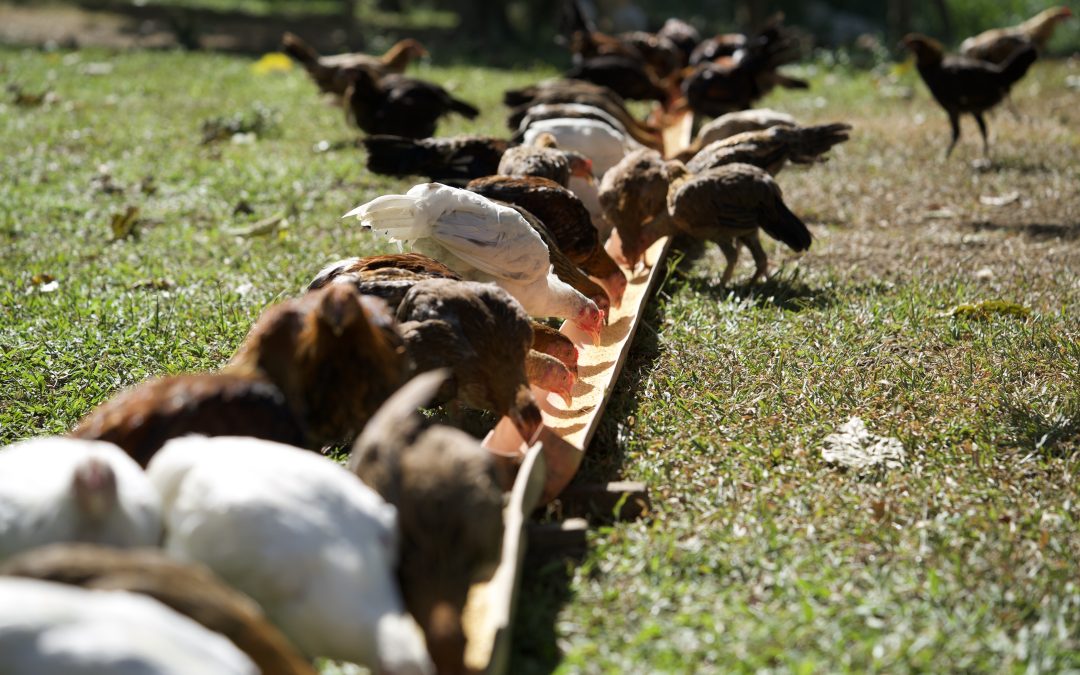
Supplements play an important role in gamefowl care. While proper feed is the foundation of nutrition, supplements provide extra support for peak performance and resilience. Many premium feeds, such as Salto, are already formulated with essential nutrients, but it is still important to understand which supplements matter most and why.
- Electrolytes for Hydration
Birds that undergo intense training or are exposed to hot weather can easily lose electrolytes. Providing a supplement with electrolytes helps in hydrating and strengthening their bodies
- Calcium for Healthy Bones
Calcium is vital for healthy bones and muscles, as it helps the gamefowl’s body endure the stress from conditioning, training and regular activities. Without enough calcium, foot problems and a lack of body strength can occur, thus calcium must be well supplemented in their diet.
- Vitamins A, D, and E
Vitamins A, D, and E help in maintaining healthy feathers, good reproductive health, and a strong immune system.
- Amino Acids for Muscle Growth
Amino acids are important for strengthening the body. They help with muscle development and recovery in chickens. The right amino acid ratio allows for fast development of muscle tone and power.
- Omega-3 Fatty Acids
Omega-3 fatty acids improve skin and feather quality, helping ease inflammation in joints and muscles while supporting a stronger immune system.
While you can provide supplements separately, many high-quality feeds already include these essentials. Salto, for instance, offers formulations enriched with calcium, amino acids, and essential fatty acids. This ensures your gamefowl receive the right nutrition and support for health and peak performance.
Know more about our animal health products here.
FAQs
1. Why do gamefowl need supplements if they already have feed?
Feed provides the foundation of nutrition, but supplements fill specific gaps that improve performance, immunity, and recovery—especially during training, heat stress, or molting. However, many modern feeds are already enriched with these nutrients. Salto, for instance, is formulated with calcium, amino acids, and essential fatty acids, giving your gamefowl the benefits of supplementation while ensuring balanced, consistent nutrition in every stage of growth and conditioning.
2. How do I know if my gamefowls need supplements?
Watch for signs such as slower growth, dull feathers, leg weakness, or fatigue during training. These can indicate nutrient deficiencies or higher nutritional demands. Regular monitoring and a consistent feeding routine help determine if extra support is needed.
3. Can I give too many supplements?
Yes. Over-supplementation can cause nutrient imbalance, leading to digestive issues or poor nutrient absorption. Always follow recommended dosages and avoid combining similar products unless guided by a professional or nutrition expert.
4. What’s the best time to give supplements?
Timing depends on the stage of development:
- Growth stage: Focus on calcium and amino acids for bone and muscle formation.
- Conditioning stage: Prioritize electrolytes and fatty acids for endurance and recovery.
- Maintenance stage: Maintain vitamins and minerals for overall health and immunity.
5. Are supplements necessary during molting?
Yes. During molting, gamefowl require higher levels of protein, amino acids, and vitamins A, D, and E to support feather regrowth and immune recovery. Supplements help reduce stress and speed up the transition back to optimal condition.
6. Can I use human or non-poultry supplements for my gamefowl?
No. Gamefowls have unique nutritional requirements that differ from humans or other animals. Always use supplements specifically formulated for poultry to ensure proper nutrient levels and safety.
7. Do supplements replace good feeding practices?
No. Supplements are meant to enhance—not replace—a balanced diet. Proper feeding, hydration, and housing remain the foundation of good gamefowl care, with supplements serving as added support for peak performance and health.
Ang Papel ng Supplements Pangangalaga ng Manok Panabong: Ano ang Mahalaga at Bakit Ito Kailangan
Ang supplements ay mahalaga sa manok panabong.. Maliban sa pakain na nagsisilbing pundasyon ng kanilang nutrisyon, supplements naman ang nagbibigay ng dagdag na suporta para mapanatili ang mataas na performance at matatag na pangangatawan. Maraming de-kalidad na pakain tulad ng Salto ang siksik sa sustansya, at mainam na malaman ang kahalagahan ng mga ito.
1. Electrolytes para sa Hydration
Ang mga manok panabong na dumaan sa matinding training o init ng panahon ay madaling mawalan ng electrolytes. Ang pagbibigay ng supplement na may electrolytes ay nakakatulong sa pananatili ng hydration at pagpapalakas ng katawan nagpapalakas sa kanilang katawan.
2. Calcium para sa Malusog na mga Buto
Mahalaga ang calcium para sa malusog na mga buto at kalamnan. Kung walang sapat na calcium, maaring magkaroon ng problema sa paa at pagpapalakas ng katawan. Siguraduhing may sapat na calcium sa kanilang diet upang maiwasan ang mga ganitong problema.
3. Vitamins A, D, at E
Ang mga bitamina A, D, at E ay tumutulong na mapanatili ang malusog na balahibo, reproductive health, at matatag na immune system. Kaya’t mahalagang maibigay ang mga bitaminang ito sa mga manok panabong.
4. Amino Acids para sa Paglaki ng Kalamnan
Amino acids ang “building blocks of protein” na tumutulong sa muscle development at pagpapagaling ng katawan ng manok. Ang tamang dami ng mga amino acid ang nagbibigay daan sa mabilis na paglaki, porma at lakas ng mga kalamnan.
5. Omega-3 Fatty Acids
Omega-3 Fatty Acids ay tumutulong sa pagpapanatili ng magandang ng balat at balahibo ng manok, at pag-iwas sa pamamaga ng kalamnan at kasukasuan. Nakakatulong ang Omega-3 Fatty Acids sa kabuuang kalusugan ng manok panabong.
Ang supplements ay kalimitang nakahalo na sa pakain para sa manok panabong. Tulad sa Salto, na siksik sa nutrisyon tulad ng calcium, amino acids at essential fatty acids, Siguradong nabibigay ang tamang nutrisyon para sa mga manok panabong.
FAQs
1. Bakit kailangan ng supplements kung may pakain na?
Ang pakain o feeds ang nagsisilbing pundasyon ng nutrisyon, ngunit ang supplements ay tumutulong punan ang mga kakulangang nakakaapekto sa performance, immunity, at recovery—lalo na sa panahon ng training, init ng panahon, o molting. Sa ngayon, maraming feeds ang may taglay nang mga mahahalagang nutrients. Halimbawa, ang Salto ay formulated na may calcium, amino acids, at essential fatty acids, kaya’t nagbibigay ito ng benepisyo ng supplementation habang tinitiyak ang balanseng nutrisyon sa bawat yugto ng paglaki at conditioning.
2. Paano ko malalaman kung kailangan ng supplements ang aking mga manok panabong?
Pansinin kung may mga senyales tulad ng mabagal na paglaki, mapurol na balahibo, panghihina, o pagkapagod sa training. Ang mga ito ay maaaring palatandaan ng kakulangan sa nutrisyon. Ang regular na pagmamasid at tamang feeding schedule ay makatutulong malaman kung kailangan ng dagdag na suporta.
3. Pwede bang masobrahan sa supplements?
Oo. Ang sobrang paggamit ng supplements ay maaaring magdulot ng imbalance sa nutrisyon, na nakakaapekto sa digestion at kalusugan. Sundin ang tamang dosage at iwasan ang paghahalo ng magkaparehong uri ng produkto maliban na lang kung may gabay ng eksperto.
4. Kailan ang tamang oras para magbigay ng supplements?
Depende ito sa yugto ng pag-aalaga:
- Growth stage: Bigyang-pansin ang calcium at amino acids para sa buto at kalamnan.
- Conditioning stage: Magtuon sa electrolytes at fatty acids para sa tibay at recovery.
- Maintenance stage: Panatilihin ang tamang bitamina at minerals para sa kalusugan at resistensya.
5. Kailangan pa ba ng supplements habang nagmo-molting?
Oo. Sa panahong ito, mas mataas ang pangangailangan ng protina, amino acids, at vitamins A, D, at E upang mapabilis ang pagtubo ng bagong balahibo at mapanatili ang resistensya. Nakakatulong ang supplements para mabawasan ang stress at mapabilis ang paggaling ng manok.
6. Pwede bang gumamit ng vitamins o supplements para sa tao o ibang hayop?
Hindi. Iba ang pangangailangang nutrisyonal ng manok kumpara sa tao o ibang hayop. Gumamit lamang ng supplements na partikular na ginawa para sa poultry upang matiyak ang kaligtasan at tamang sustansya.
7. Napapalitan ba ng supplements ang tamang pagpapakain?
Hindi. Ang supplements ay pandagdag lamang, hindi pamalit. Ang tamang pagpapakain, hydration, at maayos na tirahan ay nananatiling pundasyon ng kalusugan ng manok panabong. Ang supplements ay katuwang lamang upang mapanatili ang pinakamataas na antas ng performance at kalusugan.

Recent Comments